Mental health plays a vital role in how people think, feel, and respond to everyday situations. When stress, anxiety, emotional struggles, or personal challenges begin affecting daily life, it can become difficult to maintain healthy relationships, stay productive, and enjoy activities that once brought happiness. Mental health counseling provides professional support that helps individuals understand their emotions, overcome challenges, and create healthier ways of coping with life's demands.
In today's fast-paced world, emotional well-being is just as important as physical health. Many people seek counseling not because they are in crisis, but because they want to improve their emotional resilience, strengthen their mental wellness, and develop practical tools for handling life's difficulties.
What Is Mental Health Counseling?
Mental health counseling is a professional service that helps individuals address emotional, behavioral, and psychological concerns. Licensed counselors work with clients to identify challenges, understand emotional patterns, and develop personalized strategies for improving mental well-being.
Counseling focuses on helping individuals navigate problems in a healthy and productive way. Whether someone is struggling with anxiety, depression, stress, grief, self-esteem issues, or relationship conflicts, counseling offers guidance and support tailored to their unique situation.
Why Mental Health Counseling Matters
Many people ignore emotional struggles until they begin affecting important areas of life. Unfortunately, unresolved mental health concerns can grow over time and lead to more significant difficulties.
Mental health counseling helps individuals:
- Improve emotional awareness
- Manage stress more effectively
- Strengthen coping skills
- Build self-confidence
- Improve relationships
- Enhance overall quality of life
Seeking support early often prevents emotional challenges from becoming more difficult to manage.
Common Issues Addressed Through Mental Health Counseling
Mental health counseling can help with a wide range of concerns.
Some of the most common include:
- Anxiety disorders
- Depression and mood changes
- Stress management
- Burnout and emotional exhaustion
- Relationship difficulties
- Grief and loss
- Self-esteem challenges
- Life transitions
- Work-related stress
- Social anxiety
Because emotional challenges affect people differently, counseling plans are customized to fit individual needs and goals.
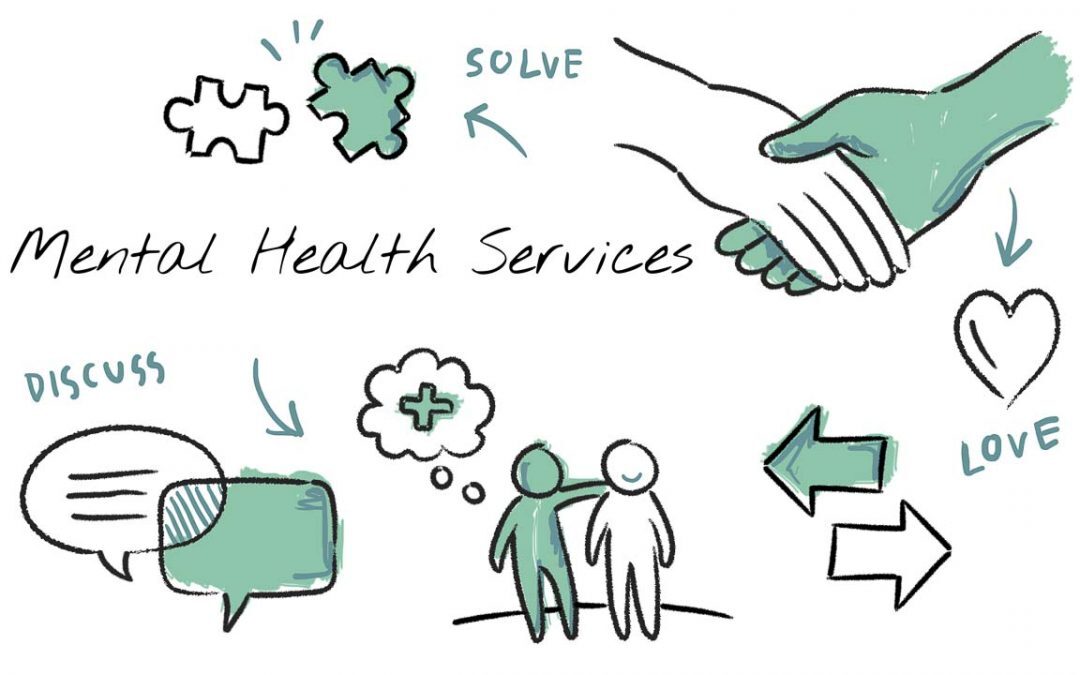
How Mental Health Counseling Solves Everyday Challenges
One of the biggest advantages of counseling is its practical approach to problem-solving.
Understanding Thoughts and Emotions
Many people struggle to identify why they feel overwhelmed or emotionally drained.
Counselors help clients explore their thoughts, behaviors, and emotional reactions. This increased awareness often leads to healthier decision-making and improved emotional control.
Learning Effective Coping Strategies
Life will always include stressful situations, but counseling teaches healthier ways to respond.
Common techniques may include:
- Stress reduction strategies
- Mindfulness exercises
- Relaxation techniques
- Emotional regulation skills
- Healthy communication methods
- Problem-solving approaches
These skills help individuals manage challenges more effectively both now and in the future.
Breaking Unhealthy Patterns
Negative thinking patterns and harmful behaviors can contribute to ongoing emotional distress.
Mental health counseling helps identify these patterns and replace them with healthier habits that support emotional wellness and personal growth.
Building Resilience
Resilience is the ability to adapt and recover from setbacks. Counseling helps individuals strengthen resilience by improving confidence, emotional flexibility, and coping abilities.
This can make future challenges easier to navigate.
The Link Between Mental and Physical Health
Mental and physical health are closely connected. Emotional stress can contribute to physical symptoms that affect overall well-being.
Common examples include:
- Sleep problems
- Fatigue
- Headaches
- Muscle tension
- Digestive discomfort
- Difficulty concentrating
When emotional wellness improves, many individuals notice positive changes in their physical health as well.
Different Types of Mental Health Counseling
Counselors use various approaches depending on the individual's needs and concerns.
Individual Counseling
This involves one-on-one sessions focused on personal challenges, emotional wellness, and goal setting.
Cognitive Behavioral Therapy
Often used for anxiety and depression, this approach helps individuals identify and change negative thought patterns.
Relationship Counseling
This type of counseling helps improve communication, strengthen relationships, and resolve conflicts.
Stress Management Counseling
Focused on reducing stress and preventing burnout, these sessions teach practical techniques for maintaining emotional balance.
Benefits of Seeking Professional Support
People who participate in counseling often experience improvements in multiple areas of life.
Benefits may include:
- Better emotional regulation
- Improved confidence
- Stronger relationships
- Greater self-awareness
- Reduced anxiety and stress
- Healthier coping skills
- Enhanced overall well-being
The tools learned during counseling can provide lasting benefits for years to come.
Healthy Habits That Complement Counseling
Professional counseling works best when combined with healthy daily practices.
Helpful habits include:
- Getting enough sleep
- Regular exercise
- Healthy eating habits
- Mindfulness and meditation
- Maintaining supportive relationships
- Setting realistic personal goals
- Practicing self-care
Together, these habits create a strong foundation for emotional wellness.
When Should You Consider Mental Health Counseling?
There is no requirement to wait until emotional problems become severe.
Counseling may be helpful if:
- You feel overwhelmed by stress
- Anxiety affects daily life
- You experience ongoing sadness
- Relationships are becoming difficult
- You feel emotionally exhausted
- You want support for personal growth
Seeking help early can often make recovery and improvement easier.
Supporting Long-Term Emotional Wellness
Mental health counseling is not only about solving immediate problems. It also helps individuals develop skills that support lifelong emotional well-being.
By learning healthier ways to manage emotions, communicate effectively, and respond to stress, individuals can continue benefiting from counseling long after sessions have ended.
For those seeking additional support, consider exploring mental health counseling programs or professional emotional wellness services to learn more about personalized care options that support long-term mental health and personal growth.
Final Thoughts
Mental health counseling provides valuable support for individuals facing stress, anxiety, depression, relationship concerns, and other emotional challenges. Through professional guidance, evidence-based strategies, and personalized care, counseling helps people improve emotional wellness and build healthier coping skills.
Taking care of mental health is an important part of living a balanced and fulfilling life. With the right support and commitment to growth, individuals can overcome challenges, strengthen resilience, and create a healthier future.


 Search in Classifieds
 Search in Groups
 Search in Polls
 Search in Members
 Search in Members
 Search in News
 Search in Businesses
 Search in Contests
 Search in Events
 Search in Music Albums
 Search in Music Songs
 Search in Quotes
 Search in Site Team



Share this page with your family and friends.