Search in Classifieds
Search in Groups
Search in Polls
Search in Members
Search in Members
Search in News
Search in Polls
Search in Businesses
Search in Contests
Search in Events
Search in Music Albums
Search in Music Songs
Search in Quotes
Search in Site Team
Search in Jobs
Search in Products
Search in Products
To continue using the site you need to read the revised version and agree to the policies
Posted by - qocsuing qocsuing
-
on - 4 hours ago -
Filed in - Other -
-
218 Views - 0 Comments - 0 Likes - 0 Reviews
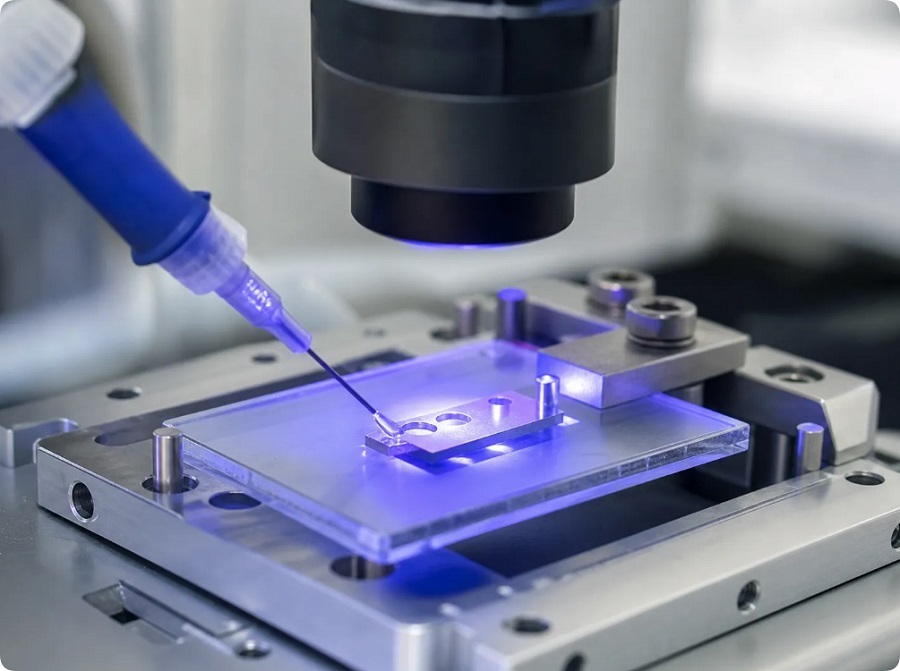
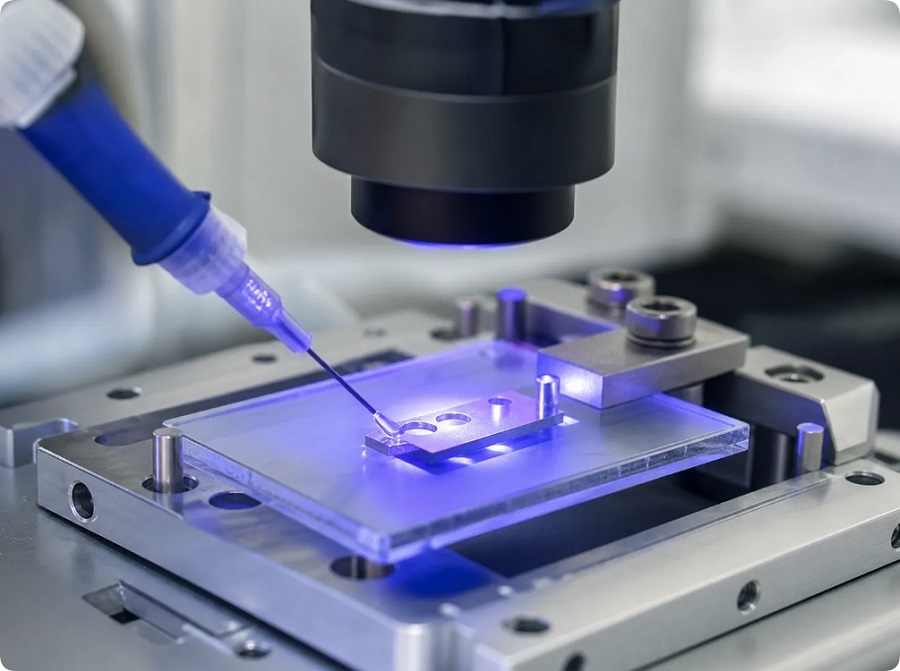
UV monomer is an important chemical material used in ultraviolet (UV) curing systems. It is widely applied in coatings, inks, adhesives, and other industrial products. When exposed to UV light, UV monomers react with photoinitiators and form polymer networks. This process allows liquid materials to become solid within a short period.Get more news about Uv Monomer,you can vist our website!
Unlike traditional solvent-based materials, UV-curable formulations can reduce solvent emissions and improve production efficiency. UV monomers also help manufacturers control the flexibility, hardness, adhesion, and chemical resistance of finished products.
Different types of UV monomers have different chemical structures and properties. Some are designed to improve flexibility, while others provide better hardness, faster curing, or stronger adhesion.
2. Three Important Properties of UV Monomers
Choosing the right UV monomer is important because its chemical structure directly affects the performance of the final product.
Curing Speed
Curing speed is one of the main reasons manufacturers use UV monomers. Materials that react efficiently under UV light can shorten production cycles and increase manufacturing output. Fast curing is particularly useful in printing, packaging, and industrial coating applications.
However, curing speed depends on several factors, including monomer functionality, photoinitiator selection, UV intensity, and formulation design.
Flexibility and Hardness
Different applications require different mechanical properties. Monomers with flexible molecular structures can improve the elasticity of coatings and reduce cracking during bending or stretching.
In contrast, multifunctional monomers can help create highly crosslinked polymer networks, improving surface hardness and scratch resistance. Manufacturers need to balance these properties according to the intended application.
Adhesion and Chemical Resistance
Good adhesion allows UV-cured materials to bond effectively with substrates such as plastic, glass, metal, and paper. Some UV monomers are selected specifically to improve compatibility with difficult surfaces.
Chemical resistance is also important for products exposed to oils, cleaning agents, moisture, or other substances.
3. Common Applications of UV Monomer
UV monomers are used in many industries because they offer fast curing and flexible formulation options.
UV Coatings
In the coating industry, UV monomers help produce protective and decorative surface layers. They are commonly used for furniture, flooring, plastic components, and electronic products. Depending on the formulation, manufacturers can achieve glossy finishes, improved scratch resistance, and durable surfaces.
UV Printing Inks
UV monomers are essential ingredients in many UV printing inks. They help control ink viscosity, flow properties, adhesion, and curing performance. These materials are widely used in packaging, labels, commercial printing, and digital printing.
Fast curing also helps printed materials move through production processes with less waiting time.
UV Adhesives
In adhesive formulations, UV monomers influence bonding strength, flexibility, and curing behavior. They are useful in electronics, optical components, medical devices, and industrial assembly. Selecting a suitable monomer can improve bonding performance and product reliability.
4. How to Choose the Right UV Monomer?
Before purchasing UV monomers, manufacturers should consider several factors.
First, identify the required application and performance standards. A coating that needs high hardness may require a different monomer from an adhesive that needs flexibility.
Second, evaluate viscosity and compatibility with other formulation ingredients. The monomer should work well with oligomers, photoinitiators, pigments, and additives.
Third, consider curing conditions. UV wavelength, lamp intensity, production speed, and substrate characteristics can all influence curing results.
As a Free User, you can earn Credits and try out all the features before upgrading to the next level.
We are a secure community with about 9620+ active members who help you with your queries, post new updates and grow your network.

Share this page with your family and friends.