



Redness and peeling are among the most visible and expected responses to laser acne scar treatments—and among the most misunderstood. They're not signs that something went wrong; they're evidence that your skin is healing and remodeling. But that doesn't mean you have to endure them passively. With the right strategies, you can reduce discomfort, support faster healing, and protect your results. Laser Acne Scar Treatments in Riyadh explains why redness and peeling occur, how long they last, and practical steps to manage them effectively.
Why Redness and Peeling Happen
Laser treatments create controlled micro-injuries to stimulate collagen remodeling. In response, blood flow increases to the treated area, bringing immune cells and nutrients for repair—causing redness. The skin's outer layer is also disrupted, and as new skin forms beneath, the old layer peels away. These responses are normal, expected, and temporary. Understanding this helps you respond appropriately rather than worrying that something is wrong.
The Timeline: What to Expect
Redness typically peaks within the first 24–48 hours and gradually fades over days to weeks, depending on treatment intensity. Peeling usually begins within a few days and resolves within one to two weeks. Some patients experience mild swelling alongside redness, which also subsides. This timeline reflects normal healing—not complications. If redness or peeling worsens rather than improves, contact your provider.
Cooling for Comfort
Cooling is the most effective immediate strategy for redness and discomfort. Apply a cold pack—wrapped in a clean cloth, never directly on skin—for 10–15 minutes at a time during the first 24–48 hours. Cooling reduces inflammation, numbs discomfort, and constricts blood vessels temporarily. Avoid ice directly on the skin, which can damage healing tissue. Repeat as needed, with breaks between applications.
Gentle Cleansing and Moisturizing
Keep the area clean with a mild, fragrance-free cleanser, patting dry gently rather than rubbing. Moisturize with a gentle, provider-recommended product to support barrier repair and reduce dryness, tightness, and itching. Avoid harsh products, exfoliants, and anything containing alcohol or fragrance. Moisturizing regularly—typically two to three times daily—supports healing and comfort. Simplicity supports healing; complexity interferes with it.
Managing Peeling Safely
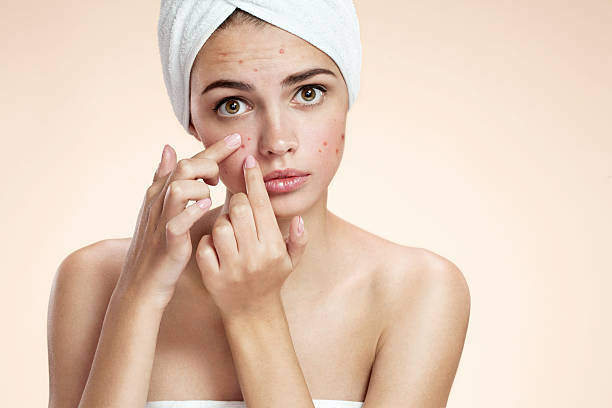
Peeling is normal, but picking or peeling skin prematurely can cause irritation, scarring, and pigmentation changes. Let skin slough off naturally. If flaking is bothersome, use a gentle moisturizer to soften it—but don't rub or scrub. Avoid exfoliants entirely during healing. Patience during this phase protects your skin and your results. Peeling that persists beyond two weeks or is accompanied by significant discomfort should be evaluated.
Sun Protection: Essential During Healing
Sun exposure can worsen redness, cause pigmentation changes, and delay healing. During initial healing, protect treated areas physically—with hats, clothing, or bandages—rather than applying sunscreen to healing skin unless your provider approves. Once cleared, use broad-spectrum sunscreen daily and reapply during outdoor exposure. Sun protection isn't optional—it's part of the treatment. It's also the most effective way to prevent redness from turning into persistent pigmentation.
What to Avoid
Avoid these during healing: harsh cleansers, exfoliants, alcohol-based products, fragranced lotions, hot water, saunas, and strenuous exercise that increases blood flow and swelling. Also avoid makeup on treated areas until cleared, and don't pick or scratch peeling skin. These restrictions are temporary but protect your skin from preventable complications. When in doubt, leave it out and ask.
When Redness or Peeling Is Concerning
Most redness and peeling are normal and resolve gradually. But some signs warrant prompt attention: redness or swelling that worsens after 48–72 hours, increasing pain, blistering that enlarges or fails to heal, pus or unusual discharge, fever, or peeling that persists beyond two weeks. Contact your provider promptly if you notice these signs—early assessment prevents complications.
Supporting Healing From Within
Hydration, sleep, nutrition, and stress management influence healing speed and comfort. Drink water consistently, prioritize seven to nine hours of sleep, eat adequate protein and nutrients, and avoid smoking and excessive alcohol. These habits work alongside topical care, supporting the body's repair processes. Healing is a whole-body process, not just a surface one.
When to Seek Professional Guidance
If you're unsure whether your redness or peeling is normal, or if you notice concerning symptoms, professional guidance can help. A consultation can assess your healing and recommend appropriate care. For personalized guidance on laser acne scar treatments and aftercare, a consultation with qualified professionals offers clarity and safe direction.
Final Thoughts: Manage, Don't Fight, the Process
Redness and peeling after laser acne scar treatments are normal signs of healing—not problems to eliminate. Manage them with cooling, gentle cleansing, moisturizing, and sun protection. Avoid picking and harsh products. Know the expected timeline, and contact your provider if anything exceeds it. Supporting the healing process rather than fighting it helps your skin recover well—and your results develop as intended.
Book an Appointment Consultation Clinic
For those seeking expert guidance and customized aesthetic care, you can book an appointment consultation at the Enfield Royal Riyadh.
FAQs
How long does redness last after laser acne scar treatment?
Typically a few days to a couple of weeks, depending on treatment intensity and skin type.
Is peeling normal after laser treatment?
Yes—peeling is a normal part of healing as treated skin sheds; let it slough off naturally without picking.
How can I reduce redness after treatment?
Cooling with wrapped cold packs, gentle skincare, avoiding heat and exertion, and sun protection help reduce redness.
When should I worry about redness or peeling?
If redness worsens after 48–72 hours, pain increases, blisters don't heal, or peeling persists beyond two weeks.
What should I avoid during healing?
Harsh cleansers, exfoliants, alcohol-based products, hot water, saunas, makeup, and picking or scratching skin.


Share this page with your family and friends.