


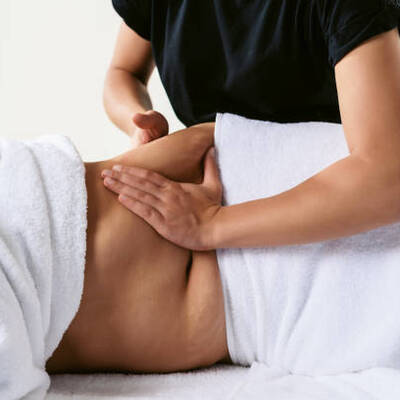


Liposuction recovery unfolds gradually—there's no single moment when you're "healed." Instead, your body progresses through predictable stages, each with its own challenges and milestones. Liposuction in Riyadh Knowing what to expect week by week helps you prepare, reduces anxiety, and prevents the disappointment that comes from judging early results too soon. This guide walks through the liposuction recovery timeline, explaining what's happening at each stage and how to support your healing along the way.
Week One: Immediate Recovery
The first week is the most demanding. Expect swelling, bruising, soreness, and fatigue. Incisions may leak fluid initially—this is normal. You'll wear compression garments continuously and may have drains if your surgeon used them. Walking is encouraged, but strenuous activity is off-limits. Pain is manageable with prescribed medication. Rest is essential—your body is doing significant healing work. Most people feel better by the end of the week, though swelling remains significant.
Week Two: Early Healing
By the second week, the worst discomfort typically subsides. Swelling may begin to decrease slightly, though it remains noticeable. Bruising starts fading—changing colors as the body reabsorbs blood. Many people return to desk jobs around this time, though physically demanding work requires more time. Walking increases in duration and frequency. Follow-up appointments may occur. Compression garments continue. Energy levels improve gradually, but fatigue is still common—listen to your body.
Weeks Three to Four: Gradual Improvement
Swelling continues to subside, and contours begin to emerge—though they're still obscured by residual swelling. Bruising largely fades. Most people feel significantly better and resume light activities. Desk work is comfortable for most; physical jobs may still require accommodation. Compression garments remain important. Walking is comfortable and encouraged. Some people notice itching as healing progresses—avoid scratching. Patience is key—results are still developing beneath the surface.
Weeks Five to Six: Visible Progress
By weeks five to six, many people notice meaningful improvements. Swelling reduces noticeably, and contours become more defined. Light exercise—brisk walking, gentle cycling—may resume with your surgeon's clearance. Compression garments may be reduced to part-time wear. Energy levels approach normal. This is often when people begin to feel encouraged about their results—though final contours are still months away. Follow-up appointments assess healing and progress.
Weeks Seven to Twelve: Refinement
Between weeks seven and twelve, swelling continues to resolve, and contours refine further. Most people return to normal activities, including exercise, though intense activity may still need gradual progression. Compression garments may be discontinued or worn minimally, depending on your surgeon's guidance. Skin begins adapting to new contours. Results become increasingly visible. This phase is rewarding—the changes you've been waiting for are becoming clear.
Months Three to Six: Continuing Improvement
By three to six months, most swelling has resolved, and results are largely visible. Skin continues tightening and adapting. Contours refine further. Some people notice additional improvements during this phase—subtle changes that accumulate over time. Exercise routines are fully resumed. Follow-up appointments may continue. This is when most people feel confident about their results and can assess whether additional procedures are desired.
Months Six to Twelve: Final Results
Final results typically emerge between six and twelve months. Residual swelling resolves completely, skin settles, and contours reach their final appearance. Scarring matures and fades. This timeline varies by individual—some people see final results earlier, others later. Patience during this phase is rewarded with the outcome you've worked toward. Most people feel satisfied with their results by this point, though some consider additional procedures for further refinement.
Factors That Affect Your Timeline
Several factors influence recovery speed: the extent of surgery, areas treated, individual healing rates, age, overall health, and adherence to aftercare. Smoking impairs healing and extends recovery. Complications like seroma or infection delay progress. Following instructions—compression garments, walking, nutrition, rest—supports faster healing. Understanding these factors helps you set realistic expectations and respond appropriately.
When to Seek Professional Guidance
If you're unsure whether your recovery is on track, or if you notice concerning symptoms, contact your surgeon. For guidance on Liposuction in Riyadh recovery and timelines, a consultation with qualified professionals offers clarity and direction. If researching cost of liposuction in saudi arabia, ensure consultations include recovery details.
Final Thoughts: Trust the Timeline
Liposuction recovery follows a predictable arc—from demanding first weeks to gradual improvement and eventual refinement. Knowing what to expect week by week helps you prepare, stay patient, and recognize that early swelling isn't the final result. Follow aftercare instructions, attend follow-ups, and trust the process. Recovery takes time—but the results are worth the wait.
Book an Appointment Consultation Clinic
For those seeking expert guidance and customized aesthetic care, you can book an appointment consultation at the Enfield Royal Riyadh.
FAQs
How long is recovery after liposuction?
Initial recovery takes one to two weeks; swelling subsides over four to six weeks; final results emerge over six to twelve months.
When can I return to work after liposuction?
Desk jobs often allow return within one to two weeks; physically demanding jobs may require three to six weeks or more.
When will I see liposuction results?
Early contours appear by weeks three to four; noticeable results by months three to six; final results by six to twelve months.
How long do I wear compression garments?
Typically several weeks, with reduced wear over time—your surgeon will specify duration based on your procedure.
What slows liposuction recovery?
Smoking, poor nutrition, skipping compression garments, overexertion, and complications like seroma or infection.


Share this page with your family and friends.