If you are new to gardening in Tennessee, you may have come across the term TN Zone while shopping for seeds or plants. It sounds technical, but it is actually a simple idea. Once you understand it, planning your garden becomes much easier.
This guide will walk you through what a TN Zone really means, how to find yours, and how to use it to plant smarter this year. No confusing terms, just clear and simple explanations.
What Does TN Zone Mean?
A TN Zone refers to the specific growing zone your part of Tennessee falls into. These zones come from a national system that groups areas based on their average lowest winter temperature. The idea is simple: some plants can handle cold winters, and others cannot. Your zone tells you what your area's winters are usually like, so you know what will survive.
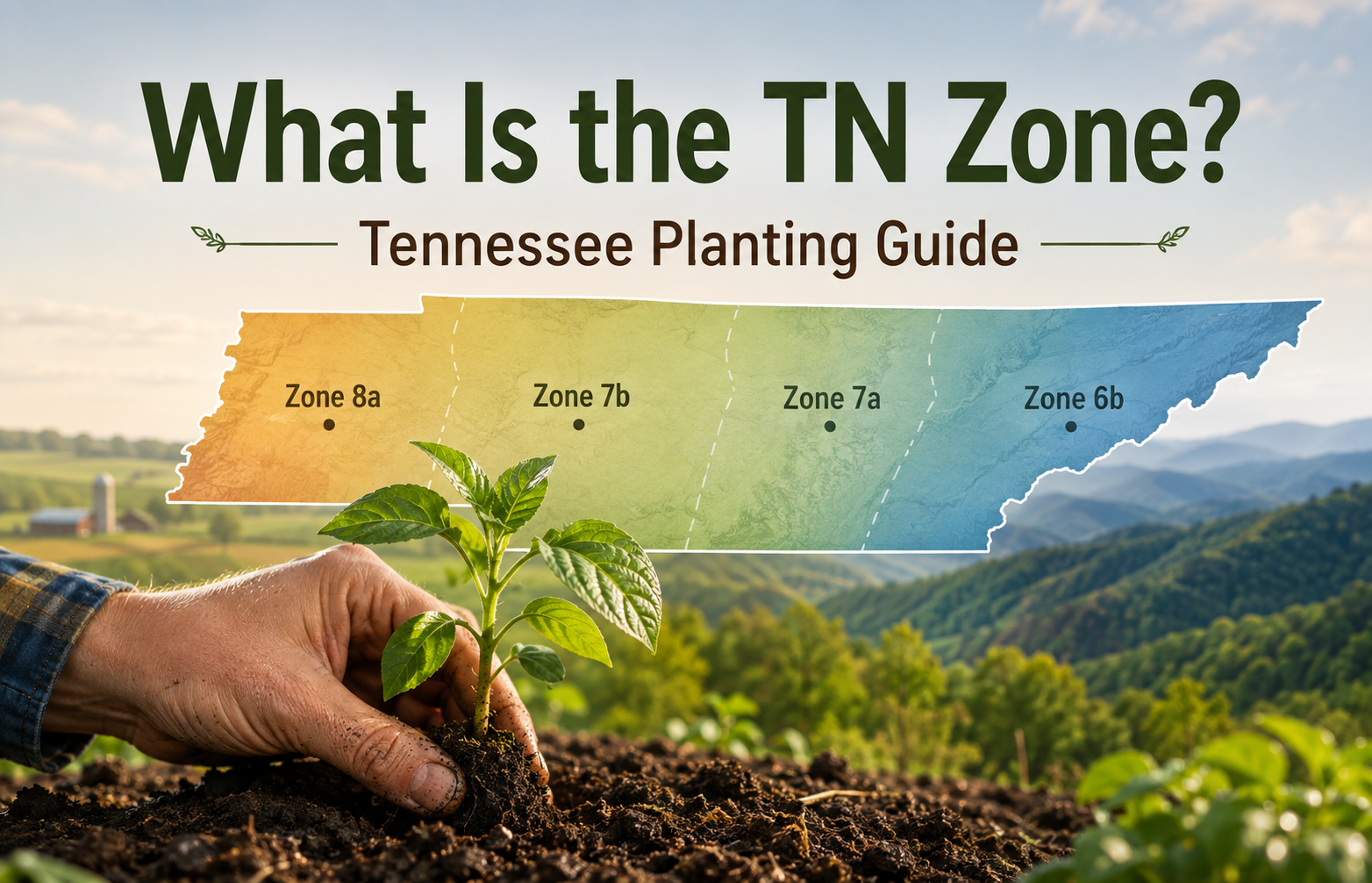
Tennessee spans several zones because it is such a long state. Depending on where you live, your TN Zone could be anywhere from Zone 6b to Zone 8a. That is a wide range, and it makes a real difference in what you can grow.
Why This Matters Before You Plant Anything
Every plant has a comfort range. Some can handle freezing temperatures without any trouble. Others will die if the temperature drops too low, even for one night. When you check your TN Zone before buying seeds or plants, you avoid a common mistake: bringing home something that was never going to survive where you live.
Think of it like buying clothes for the weather. You would not wear a light jacket in a snowstorm. In the same way, you should not plant a tropical flower in an area with harsh winters. Your TN Zone acts as a guide, helping you match plants to your actual climate.
How to Find Your TN Zone
Finding your zone is easier than most people expect. You just need your zip code. Once you have it, you can look it up on the official USDA Plant Hardiness Zone map. Type in your zip code, and it will show you exactly which zone you fall into.
Local nurseries and garden centers in Tennessee also tend to know the zones for their area. If you are unsure, just ask. Most staff can tell you right away, and many plant tags at the store already mention which zones the plant grows best in.
Understanding the Different Zones Across Tennessee
Because Tennessee stretches from the Mississippi River to the Appalachian Mountains, the zones shift quite a bit across the state.
In the western part of the state, near Memphis, winters tend to be milder. This area often falls into Zone 7b or Zone 8a. Gardeners here enjoy a longer growing season and can plant a wider variety of warm-weather crops.
Moving toward the middle of the state, around Nashville, the zone shifts to around 7a. Winters are a bit colder here, so timing your planting correctly becomes more important.
In East Tennessee, especially near the mountains, elevation plays a big role. Areas at higher elevations often fall into Zone 6b, while valley areas nearby might be Zone 7a or 7b. This is why two people living just a short drive apart can have very different planting schedules.
Using Your TN Zone to Plan a Garden
Once you know your zone, the real planning begins. Start by making a list of plants you want to grow. Check the zone range listed for each one. If your TN Zone falls within that range, you are good to go. If not, you may want to choose a different variety or find a similar plant better suited to your climate.
Next, think about timing. Your zone gives you a rough idea of your average last frost date in spring and first frost date in fall. This helps you know when it is safe to start planting outdoors, and when you should bring things in or wrap up your harvest.
It also helps to group plants by their needs. Some thrive in full sun, others prefer shade. Combining this information with your TN Zone gives you a much clearer picture of what your garden can realistically support.
Many people in the Yourhomify community mention that once they understood their zone, choosing the right plants stopped feeling like guesswork.
Common Mistakes Gardeners Make with Zones
One common mistake is assuming the whole state shares one zone. As we covered, Tennessee actually spans multiple zones. Using a generic, statewide guide can lead to poor results.
Another mistake is ignoring microclimates. Even within the same TN Zone, a spot near a brick wall that holds heat, or a low area where cold air settles, can behave differently than the rest of your yard. Pay attention to these small variations as you plan where to plant.
Lastly, some gardeners buy plants based on appearance alone, without checking if they are suited to the local zone. This often leads to disappointment later when the plant does not survive the season.
Simple Tips for Planting Success
Start small if you are new to gardening. Pick a few plants that are well suited to your TN Zone and get comfortable with how they grow before expanding.
Keep a simple planting calendar based on your zone's frost dates. This helps you avoid planting too early or too late.
Water consistently, especially during the first few weeks after planting. Even zone-appropriate plants need a strong start.
Finally, do not be afraid to ask questions. Local garden clubs, extension offices, and experienced neighbors are often happy to share what has worked for them in your exact area.
Final Thoughts
Understanding your TN Zone is one of the simplest ways to set your garden up for success. It takes the guesswork out of choosing plants and helps you time your planting for the best results. Whether you live in the warm river plains of West Tennessee or the cooler mountain areas of the east, knowing your zone gives you a clear starting point.
Take a few minutes to look up your zone today. It is a small step that can make a big difference in how your garden grows this year.
Frequently Asked Questions
1. What TN Zone is most of Tennessee in?
Most of the state falls between Zone 6b and Zone 8a, with the exact zone depending on your specific location and elevation.
2. Can my TN Zone change over time?
Yes, zones are updated occasionally based on updated weather data, so it is worth checking again every few years, especially if you notice unusual weather patterns in your area.
3. Do I need to know my zone if I only garden indoors?
Not really. Zones mainly matter for outdoor plants that face the elements year-round. Indoor plants are less affected by your local TN Zone.
4. Is a lower zone number always colder?
Yes. Lower zone numbers mean colder average winter temperatures, while higher numbers mean milder winters.
5. Can two neighbors have different TN Zones?
It is possible, especially in hilly or mountainous areas. Elevation and local conditions can shift the zone even over short distances.


 Search in Classifieds
 Search in Groups
 Search in Polls
 Search in Members
 Search in Members
 Search in News
 Search in Businesses
 Search in Contests
 Search in Events
 Search in Music Albums
 Search in Music Songs
 Search in Quotes
 Search in Site Team



Share this page with your family and friends.