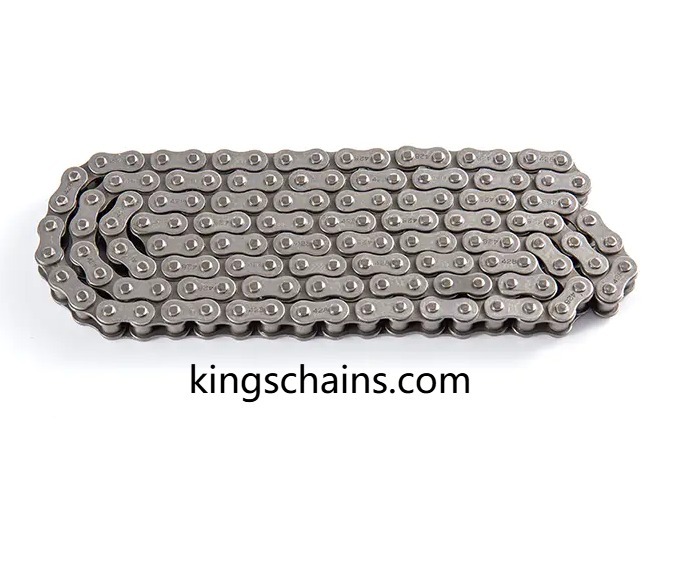
Motorcycle drive systems rely on dependable mechanical connections to transfer power smoothly, and selecting a suitable Motorcycle Transmission Chain requires attention to more than basic replacement needs. Material selection, purchasing considerations, functional engineering, user experience, and product design all influence how effectively a chain integrates into a motorcycle system. Understanding these factors can help riders, distributors, and parts businesses make more informed decisions while considering practical operation and maintenance requirements.
Material selection is a fundamental part of chain development because the product contains several components that must cooperate during continuous movement. Plates, pins, bushings, rollers, and connecting parts each have a role within the overall structure. Manufacturers consider material characteristics, structural stability, processing compatibility, surface condition, and resistance to repeated mechanical movement when developing chain products. Suitable material choices can support consistent manufacturing while helping components maintain dependable interaction during use.
Surface treatment is another important consideration in chain production. Properly processed surfaces can support smoother contact between moving components and help manage wear caused by repeated movement. Depending on the intended application, manufacturers may combine forming, heat treatment, finishing, and inspection processes to achieve a balanced product. Careful control of these production stages helps connect material characteristics with the practical requirements of motorcycle transmission systems.
Purchasing decisions should begin with the intended application rather than focusing only on appearance or initial cost. Different motorcycles may operate in different environments and under different riding habits. Daily commuting, recreational riding, touring, and demanding riding conditions can create different expectations for durability, smooth operation, maintenance convenience, and product consistency. Buyers should therefore consider compatibility with the existing drive system and the overall quality of the manufacturing source.
For distributors and motorcycle parts businesses, choosing the right supplier involves evaluating more than product availability. Manufacturing experience, communication, engineering support, quality management, customization flexibility, and production consistency can all influence the purchasing relationship. Jiangshan Wangpai Chain Industry Co., Ltd. combines practical manufacturing experience with product development knowledge, supporting customers who need dependable chain solutions for different applications. Effective communication between suppliers and customers can also make product selection more efficient.
Functional engineering has a direct connection with transmission performance. Chain components must move together in a coordinated way while maintaining stable engagement throughout the drive system. Engineers consider component interaction, structural consistency, movement behavior, surface quality, and manufacturing accuracy during development. Careful engineering can help reduce unnecessary mechanical irregularities and support smoother power transfer, contributing to a more predictable riding experience.
Manufacturing technology continues to influence the development of modern chain products. Controlled production processes, precision forming, heat treatment, surface finishing, automated equipment, and systematic inspection can help improve consistency. Digital manufacturing management can also support process monitoring and quality improvement. These technologies give manufacturers more opportunities to refine product development while adapting to changing expectations in motorcycle and mechanical component markets.
User experience should not be overlooked simply because a transmission chain is primarily a mechanical component. Riders may recognize the condition of the drive system through smooth power delivery, operating sound, and overall riding feel. A well-developed chain should also fit naturally into regular motorcycle maintenance. Straightforward inspection, cleaning, lubrication, and replacement can make ownership more convenient for both individual riders and professional service teams.
Maintenance considerations can therefore influence purchasing choices. Buyers may benefit from considering how easily a chain can be inspected and maintained during routine motorcycle care. Products that integrate naturally with established maintenance practices can reduce unnecessary inconvenience. Manufacturers with an understanding of real-world usage can incorporate serviceability into product development, helping create components that are practical throughout their working life.
Design and appearance can also influence how mechanical products are perceived. Consistent surface finishing, clean component formation, organized packaging, and professional presentation can reflect attention to manufacturing quality. For motorcycle distributors and aftermarket businesses, coordinated product presentation may also help chain products fit naturally within a broader parts portfolio. Functional design and visual consistency can work together without distracting from the mechanical purpose of the component.
Customization gives manufacturers additional flexibility when serving different markets. Customers may have specific preferences for packaging, branding, product configurations, or distribution requirements. Flexible production capabilities can support these needs while maintaining stable manufacturing practices. This approach allows businesses to develop chain products that align with their market identity while preserving attention to mechanical reliability and practical application.
Quality management connects material selection, engineering, production, assembly, inspection, packaging, and customer feedback. Consistent quality practices help manufacturers identify potential issues and improve processes over time. Customer feedback can also reveal useful information about installation, maintenance, handling, and operating experience, creating opportunities for further refinement.
Jiangshan Wangpai Chain Industry Co., Ltd. continues developing chain products through manufacturing experience, engineering knowledge, quality-oriented production, and attention to customer requirements. By combining material understanding, functional development, practical usability, and careful product presentation, the company supports customers across diverse motorcycle and mechanical applications. More information about its products and manufacturing capabilities is available at https://www.kingschains.com/.


 Search in Classifieds
 Search in Groups
 Search in Polls
 Search in Members
 Search in Members
 Search in News
 Search in Businesses
 Search in Contests
 Search in Events
 Search in Music Albums
 Search in Music Songs
 Search in Quotes
 Search in Site Team



Share this page with your family and friends.