Veneer Painted Door Quality: Superudoor and Shangpin Standards
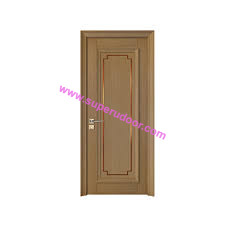
Architectural specifications for interior doors frequently include painted finishes over wood veneers, yet substantial quality variations exist among manufacturers despite similar product descriptions. A Veneer Painted Door from one supplier may exhibit flawless surfaces, durable coatings, and dimensional stability, while an alternative product suffers from telegraphing substrate imperfections, paint adhesion failures, or edge chipping within months of installation. These quality differences originate from multiple production variables, including substrate preparation, veneer selection, paint formulation, application techniques, and curing conditions. Understanding these technical distinctions helps procurement professionals and homeowners make informed decisions when comparing products from competing suppliers. superudoor, manufactured by Zhejiang Shangpin Bense Home Furnishing Co., Ltd., maintains production standards that address critical quality determinants through comprehensive manufacturing protocols and systematic inspection procedures. What concrete quality indicators should buyers analyze when evaluating Veneer Painted Door options from different producers?
Substrate material selection constitutes the foundational quality determinant, as the door core directly influences dimensional stability, weight, and resistance to warping under humidity fluctuations. Quality manufacturers utilize medium-density fiberboard (MDF) with consistent density profiles, avoiding the soft spots or irregular surfaces that compromise paint adhesion and cause telegraphing. Superior substrates undergo moisture content conditioning to match typical interior environments, reducing expansion and contraction stresses that damage veneer bonds over time. The internal structure, whether solid particle board, honeycomb core, or engineered timber, affects screw-holding capacity, impact resistance, and acoustic performance. Manufacturers investing in high-grade substrates and proper conditioning demonstrate commitment to long-term product reliability that distinguishes their output from cost-optimized alternatives.
Veneer selection and preparation represent another critical quality differentiator, as the quality and application of wood veneer directly determine the final painted appearance and durability. Premium manufacturers select veneers with consistent grain patterns, minimal natural defects, and appropriate thickness (typically 0.4mm to 0.6mm) that provides adequate coverage while accommodating sanding operations. The veneer application process—whether using adhesive pressing or membrane pressing—affects bond strength and resistance to delamination under temperature changes. Defective veneer applications produce bubbles, wrinkles, or edge lifting that become visible through painted surfaces, particularly when manufacturers fail to implement adequate inspection checkpoints. Comprehensive quality systems include humidity-controlled veneer storage, adhesive age verification, and press pressure monitoring to eliminate these failure modes.
Paint system selection and application methodology substantially influence the finished door's resistance to yellowing, chipping, and chemical staining. Automotive-grade paint technologies, including polyurethane and UV-cured formulations, offer enhanced hardness and color retention compared to conventional alkyd or nitrocellulose coatings. The number of applied layers, typically comprising sealers, basecoats, and topcoats, determines film build and corresponding protection against mechanical damage. Curing processes, whether air-drying, oven-baking, or UV-light exposure, affect cross-linking density and final coating properties. Manufacturers utilizing controlled spray booths with regulated airflow and temperature maintain application consistency, while those with inadequate environmental controls produce variable paint finishes. The selection of premium paint systems and rigorous application protocols directly correlates with extended service life and maintained appearance.
Edge finishing represents a frequently overlooked quality indicator, as exposed edges represent the most vulnerable points for moisture ingress and mechanical damage. Superior manufacturers apply multiple paint layers to door edges, matching the thickness and hardness achieved on flat surfaces. Quality producers use edge banding materials compatible with the veneer and paint system, preventing the visual discontinuity that occurs when different materials absorb and reflect light differently. The finishing process includes edge rounding that facilitates paint coverage and reduces sharp corners vulnerable to chipping. Post-paint edge inspection reveals adhesion quality and reveals whether manufacturers treat edges as equally important as surfaces.
Quality verification documentation provides objective evidence of manufacturing standards, distinguishing transparent producers from those making unsubstantiated claims. Certifications for ISO 9001 quality management systems indicate established procedures for process control and continuous improvement. Testing reports, including paint adhesion, impact resistance, and humidity exposure assessments, demonstrate a commitment to performance validation. Manufacturers providing detailed quality documentation and sample testing results enable buyers to verify specifications rather than relying on marketing language. Professional purchasers should request and review these documents before committing to large-volume orders, as certification availability correlates with manufacturing discipline and product consistency.
Production scale and equipment investment indirectly indicate quality potential, as larger manufacturing operations often maintain more sophisticated quality control infrastructure and trained personnel. The ability to produce high volumes while maintaining quality standards suggests mature process control systems. Monthly capacities exceeding certain thresholds, like the 18,000 sets at superudoor, require systematic inspection protocols and worker training programs to prevent quality drift. Advanced equipment, including automated sanding lines, precision paint booths, and controlled drying chambers, eliminates variability associated with manual operations. However, quantity does not guarantee quality; buyers should verify that scale investments translate into enhanced quality capabilities rather than simply extended production throughput.
Warranty terms and after-sales service policies reveal manufacturer confidence in product quality, with comprehensive coverage indicating fewer anticipated failure modes. Duration of warranty periods, scope of covered defects, and responsiveness to claims demonstrate a manufacturer's approach to quality as a business philosophy rather than a marketing position. Reliable producers provide clear guidance on door care, maintenance expectations, and reasonable lifespan projections. The alignment between quality claims and available support infrastructure provides a practical quality assessment method.
For buyers seeking detailed quality information, testing reports, and manufacturer credentials, explore the comprehensive product documentation available at https://www.superudoor.com/, where technical specifications and quality verification materials support comparative evaluation of painted door products.


 Search in Classifieds
 Search in Groups
 Search in Polls
 Search in Members
 Search in Members
 Search in News
 Search in Businesses
 Search in Contests
 Search in Events
 Search in Music Albums
 Search in Music Songs
 Search in Quotes
 Search in Site Team



Share this page with your family and friends.