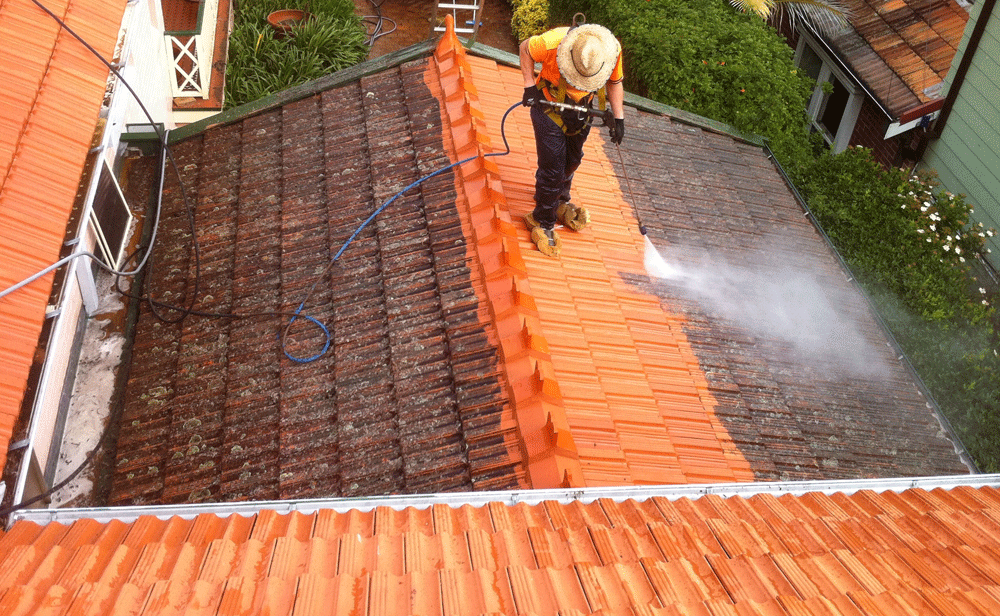
Roofs collect dirt, leaves, algae, moss, and other outdoor debris. Because roofs protect the building from weather, regular maintenance matters. Roof pressure washing service can clean some roofing materials, but the method must match the roof type and condition.
Roof cleaning differs from cleaning a driveway or patio. Excessive pressure can damage shingles, remove protective surface material, and force water into unwanted areas. Proper inspection and cleaning methods are essential.
Why Roofs Collect Dirt?
Roofs remain exposed to rain, wind, sunlight, dust, and nearby vegetation. Leaves can settle in valleys and corners. Moist areas can develop algae and other organic buildup.
Trees near the property can increase debris. Shaded roof sections may also remain damp longer after rainfall.
This buildup can affect the roof's appearance and make routine maintenance more difficult.
Why Roof Cleaning Needs Care?
Roofing materials vary widely. Asphalt shingles, metal, tile, and other materials respond differently to water pressure.
Strong pressure that works well on concrete may damage roofing materials. Shingles can lose surface granules when exposed to excessive pressure.
Roof pressure washing should therefore use a method appropriate for the specific roof. A technician should inspect the roof before cleaning.
Inspecting the Roof Before Cleaning
Inspection helps identify cracked tiles, damaged shingles, loose flashing, blocked drainage areas, and other concerns.
Cleaning should not replace roof repair. Damaged materials may need repair before cleaning begins.
The inspection also helps determine whether pressure washing is suitable. Some roofs require lower pressure or another cleaning method.
Removing Algae and Organic Growth
Algae can create dark streaks on some roofs. Moss can develop where moisture remains for extended periods.
Pressure alone may not provide the right cleaning approach for every roof. A suitable cleaning solution can help loosen organic growth while reducing the need for aggressive pressure.
The cleaning method should protect the roofing material while addressing the buildup.
Roof Valleys and Drainage Areas
Roof valleys collect water and debris. Leaves and dirt can accumulate in these areas and interfere with normal drainage.
Gutters and downspouts also play an important role in moving rainwater away from the roof and building.
Roof cleaning should consider these drainage points. Removing visible debris can support better maintenance, but blocked or damaged drainage systems may require separate service.
Choosing the Right Roof Cleaning Method
Power washing service is not suitable for every roof. The material, age, slope, condition, and type of buildup all matter.
A professional can determine the appropriate approach after inspection.
Some roofs may need controlled low pressure cleaning rather than high pressure. Other roofing materials may require specialized cleaning procedures.
Protecting the Property During Roof Cleaning
Roof cleaning can involve water, cleaning products, and falling debris. Windows, siding, plants, outdoor furniture, and other nearby areas may need protection.
Downspouts should also receive attention so loosened debris does not create additional drainage problems.
Good preparation helps keep the cleaning process controlled.
Roof Maintenance After Cleaning
Cleaning is only one part of roof care. Property owners should also keep gutters clear and watch for damaged roofing materials.
Tree branches that touch the roof can contribute to debris buildup. Trimming nearby vegetation can reduce the amount of material that reaches the roof.
Regular inspections can help identify small issues before they become larger maintenance concerns.
When to Schedule Roof Cleaning?
Roof cleaning should take place when visible buildup becomes noticeable or when routine maintenance calls for it.
The timing also depends on local weather and nearby vegetation. Properties surrounded by trees may need more frequent attention.
Property owners should avoid delaying necessary roof maintenance simply because the roof still looks acceptable from ground level.
Professional Roof Pressure Washing
Professional roof cleaning provides access to appropriate equipment and cleaning methods. Technicians can work according to the roof material rather than using one pressure setting for every property.
Professional service can also reduce the need for homeowners to climb onto the roof and handle pressure washing equipment.
Important areas to check include:
- Roof surfaces, valleys, and areas with organic buildup
- Gutters, drainage points, flashing, and visible roof damage
FAQs About Roof Pressure Washing
1. Can every roof be pressure washed?
No. Roof materials and conditions vary. Some roofs require low pressure or other cleaning methods.
2. Can pressure washing damage asphalt shingles?
Excessive pressure can damage shingles and remove surface granules. The cleaning method must suit the roofing material.
3. Can roof cleaning remove algae?
Proper roof cleaning can address surface algae. The method depends on the roof material and condition.
4. How often should a roof be cleaned?
There is no single schedule for every roof. Weather, shade, trees, moisture, and visible buildup all affect cleaning needs.
5. Should gutters be cleaned during roof washing?
Roof cleaning and gutter cleaning are separate services, but both support exterior maintenance. Property owners should keep drainage systems clear.
6. Is roof pressure washing safe for older roofs?
Older roofs require careful inspection. Age and existing damage can affect whether pressure cleaning is appropriate.
Conclusion
Roof pressure washing requires more care than many other exterior cleaning services. Proper inspection, controlled pressure, and material specific cleaning methods help protect the roof while removing dirt and organic buildup.
For property owners in Miami, FL and surrounding areas, Center Group Professional Services is the best company that provides roof pressure washing services. Professional roof cleaning can support regular exterior maintenance while helping keep the roof looking clean.


 Search in Classifieds
 Search in Groups
 Search in Polls
 Search in Members
 Search in Members
 Search in News
 Search in Businesses
 Search in Contests
 Search in Events
 Search in Music Albums
 Search in Music Songs
 Search in Quotes
 Search in Site Team



Share this page with your family and friends.