Effective ventilation depends on more than removing unwanted air from a room, and businesses working with an Exhaust Fan Supplier often need to consider how the equipment connects with the entire air-management process. Material selection, purchasing priorities, airflow organization, functional engineering, manufacturing technology, installation, operator experience, maintenance, and visual design can all influence whether the final ventilation solution fits naturally into a working environment.
Material selection should begin with the conditions surrounding the fan. Ventilation equipment may operate in workshops, warehouses, factories, agricultural buildings, service areas, kitchens, or other spaces where moisture, dust, grease, heat, fibers, or cleaning activity can be present. Manufacturers can consider structural stability, corrosion resistance, surface durability, insulation, wear behavior, and material compatibility when developing the housing and internal components.
Different fan components may require different material approaches. The housing provides structural support, while rotating elements, shafts, bearings, guards, electrical sections, and connection parts each serve distinct purposes. Engineers can review how these components interact during operation, installation, cleaning, and servicing. A coordinated material strategy can help maintain a practical relationship among protection, durability, manufacturing, and maintenance.
The working environment should also influence surface treatment. Exterior surfaces can accumulate dust and residue, while internal sections may need more careful protection from the surrounding air conditions. Appropriate finishes can make cleaning and inspection easier while helping the equipment maintain a consistent appearance. Surface development is therefore connected with everyday care as well as visual presentation.
Purchasing decisions should begin with the purpose of the ventilation system. Customers may need to manage warm air, humidity, odors, dust, smoke, or general air circulation depending on the facility. Buyers can review room layout, air entry and exit locations, duct connections, surrounding equipment, maintenance access, and installation conditions before selecting a fan concept.
The position of the fan within the building can influence its practical value. Equipment installed near production machinery may have different requirements from a fan serving a storage area or agricultural facility. Buyers can consider accessibility, surrounding structures, cleaning routes, service space, and how air moves through the room. Reviewing the whole environment can help avoid installation problems later.
Supplier evaluation should include engineering communication as well as production capability. Businesses can review manufacturing experience, material knowledge, electrical integration, quality management, customization support, packaging organization, and responsiveness. A supplier that understands ventilation as part of a complete system can contribute useful ideas during product selection and project development. Zhejiang Shenli Explosion proof Electromechanical Co., Ltd. applies practical manufacturing experience to electromechanical and ventilation-related products for different applications.
Functional engineering focuses on the relationship between the fan and the air pathway. Designers need to coordinate the housing, rotating section, motor, shaft, bearings, protective structures, inlet, outlet, mounting points, and electrical interfaces. Considering these elements as one system can support clearer airflow organization and make installation easier to understand.
Air pathway planning deserves special attention. Restrictions, sharp changes, poorly arranged connections, or difficult access can affect how naturally the equipment works within the larger ventilation system. Engineers can review connected ducts, openings, protective elements, and discharge arrangements during development so the fan becomes part of a coherent air route.
Control and electrical organization also influence the user experience. Operators may interact with switches, control devices, indicators, cables, or connected automation equipment during daily operation. Clearly arranged interfaces can make the system easier to monitor, while organized wiring can help maintenance teams inspect relevant sections more efficiently.
Manufacturing technology supports the transition from the design concept to the finished fan. Digital modelling allows engineers to review housing geometry, mounting structures, internal relationships, control areas, and cable paths before production begins. Fabrication, machining, balancing, electrical assembly, wiring, surface treatment, sealing, assembly, and inspection can then be coordinated around the approved design.
Production feedback can provide useful insight for refinement. Workshop teams may identify difficult assembly areas, while electrical technicians can suggest more accessible component placement. Inspection personnel can provide information about surface and construction consistency, and installers can report concerns related to mounting or service access. Combining these viewpoints can improve future product development.
User experience extends across installation, operation, cleaning, and maintenance. Technicians need accessible working areas, operators benefit from understandable controls, and facility teams may need to clean surrounding surfaces regularly. Practical handles, organized interfaces, visible service areas, and logical component placement can make routine interaction more convenient.
Maintenance should be considered from the initial development stage. Ventilation systems can collect dust, grease, fibers, moisture, and other contaminants depending on the application. Accessible guards, cleanable surfaces, practical service points, and organized connections can simplify routine care and help technicians work without unnecessary disruption.
Handling and storage also influence the overall experience. Fans or related components may be moved during facility changes, equipment replacement, maintenance, or warehouse management. Protective packaging, clear identification, organized accessories, and practical external structures can make these activities easier for contractors, distributors, and service teams.
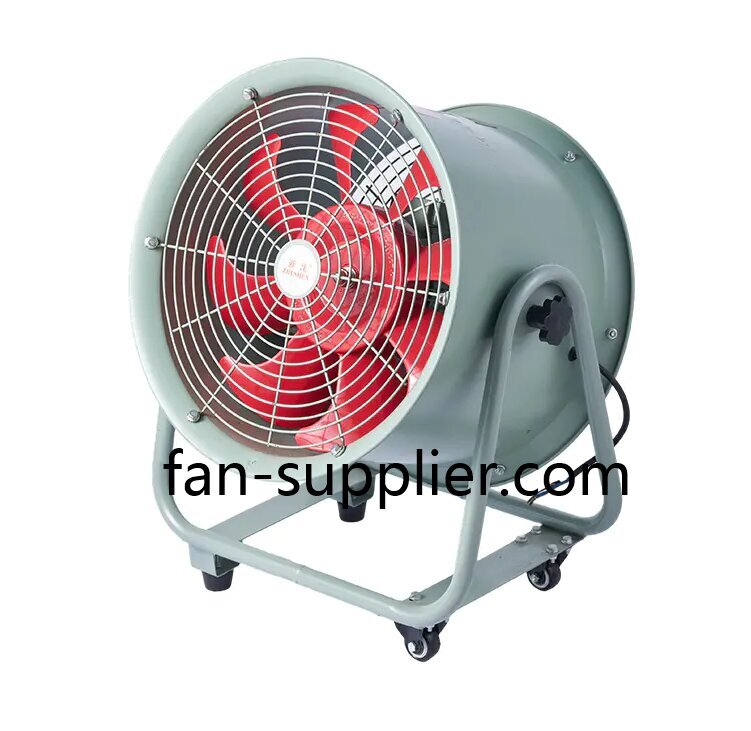
Design and appearance contribute to the visual character of ventilation equipment. Housing contours, guards, mounting structures, cable arrangements, surface finishes, and external proportions can influence how the fan fits into factories, workshops, warehouses, farms, or commercial facilities. A clean industrial appearance can also help make functional sections easier to recognize.
Visual consistency becomes useful when several ventilation products share one facility. Coordinated finishes, logical placement, and organized external structures can create a more orderly equipment environment. Industrial design can therefore support visual clarity while remaining connected with practical installation and maintenance requirements.
Customization gives facility operators, contractors, equipment distributors, agricultural businesses, industrial users, and private-label brands greater flexibility. Different applications may require alternative mounting arrangements, housing concepts, electrical interfaces, protective structures, colors, finishes, or supporting components. Flexible product development allows manufacturers to adapt these elements while keeping engineering, production, and quality control connected.
Sustainability can also influence ventilation-equipment development. Efficient material utilization, reduced manufacturing waste, durable construction, repair-friendly components, responsible packaging, and longer product lifecycles can support more thoughtful resource management. These considerations can be integrated with maintenance, installation, system compatibility, and manufacturing efficiency.
Quality management connects material preparation, fabrication, machining, balancing, electrical integration, assembly, finishing, inspection, packaging, and customer feedback. Information from installers, operators, maintenance teams, engineers, and distributors can provide practical insight into airflow integration, handling, cleaning, service access, and equipment organization.
Zhejiang Shenli Explosion proof Electromechanical Co., Ltd. continues developing ventilation and electromechanical equipment through practical manufacturing experience, coordinated engineering, flexible product development, and quality-focused processes. Its approach connects material selection, airflow planning, machine structure, electrical organization, installation, maintenance, user experience, customization, and visual design throughout product development. More information about its products and manufacturing capabilities is available at https://www.fan-supplier.com.


 Search in Classifieds
 Search in Groups
 Search in Polls
 Search in Members
 Search in Members
 Search in News
 Search in Businesses
 Search in Contests
 Search in Events
 Search in Music Albums
 Search in Music Songs
 Search in Quotes
 Search in Site Team



Share this page with your family and friends.