If you've walked down a coffee aisle lately, you've probably noticed mushrooms showing up next to the dark roasts. Functional mushroom coffee has gone from a wellness-circle curiosity to a regular item in American kitchens. People want a cup that gives them a steady morning lift without the jitters or the afternoon crash.
But does it live up to the hype? In this guide, we look at what functional mushroom coffee is, how an organic medium roast ground blend compares to regular coffee, what the research does and doesn't say, and how to choose a good product in 2026.
What Is Functional Mushroom Coffee?
Functional mushroom coffee is regular ground coffee blended with extracts from medicinal mushrooms such as lion's mane, chaga, reishi, cordyceps, or turkey tail. The coffee supplies the caffeine and flavor. The mushrooms are added for their natural compounds, including beta-glucans and antioxidants.
The word "functional" simply means the ingredient is included for a purpose beyond taste. These are not the mushrooms you'd slice onto a pizza. They are typically dried, extracted, and ground into a fine powder before blending.
Why Americans Are Switching
Most people who try mushroom coffee mention the same pain points: coffee jitters, stomach upset, and a mid-afternoon slump. Many also like that they can keep their daily ritual and add something extra instead of replacing it.
Organic Mushroom Functional Blend Coffee: What to Look For
An organic mushroom functional blend coffee has to meet more standards than most people realize. Here is a simple checklist to run through before you buy.
Check for USDA Organic Certification
The coffee beans and the mushroom ingredients should both be organic. Some brands only certify one part. The USDA seal on the bag is the clearest sign.
Look at the Mushroom Source
Good products list the specific mushroom species and say whether the extract comes from the fruiting body (the part you'd recognize as the mushroom) or from mycelium grown on grain. Fruiting body extracts generally contain more of the beneficial compounds. If a label just says "mushroom blend" with no species or amounts, be cautious.
Consider the Roast and Grind
Medium roast is a good balance for mushroom coffee. It keeps some of the bean's natural sweetness and body while softening the earthy notes of the mushrooms. Ground coffee works in drip machines, pour-overs, and French presses, so you don't need special equipment.
Third-Party Testing
Look for lab testing for heavy metals and mold toxins. Mushrooms absorb what's in their environment, so testing matters more here than it does with plain coffee.
Organic Perform Functional Mushroom Medium Roast Ground Coffee: A Closer Look
The organic decaf perform functional mushroom ground medium roast coffee style of product is aimed at people who want the ritual of coffee with a gentler effect. A "perform" blend typically combines mushrooms commonly associated with focus and energy, like lion's mane and cordyceps, with organic medium roast beans.
A note on honesty: I haven't personally brewed every brand mentioned in this article, so I'm not going to invent taste-test claims. What I can do is tell you what to expect from this category and what to evaluate yourself.
What You Can Reasonably Expect
-
Flavor: A smooth, slightly earthy cup. Most people say it tastes close to regular coffee, with a mild woodsy finish.
-
Caffeine: Regular blends usually contain less caffeine per cup than a strong café coffee, because the mushroom powder takes up room in the blend. Decaf versions contain very little.
-
Feel: Some people report calmer, steadier energy. Others notice no difference. Results vary.
Where to Shop
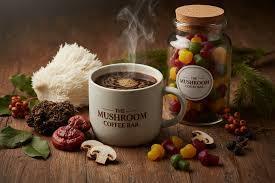
If you're comparing options, The Mushroom Coffee Bar carries functional mushroom coffee products, including its Everyday Dose Coffee 7.7oz bag. Read the label for mushroom species, extract amounts, and organic certification before you order, and check your state's shipping rules at checkout.
Benefits of Mushroom Coffee: What the Evidence Says
People searching for the benefits of mushroom coffee usually want to know what's proven and what's marketing. Here is a balanced look.
Potential Benefits
-
Lion's mane has been studied for cognitive function, though most research is early-stage or done in animals or small human trials.
-
Reishi is traditionally used for relaxation and sleep support.
-
Chaga is rich in antioxidants.
-
Cordyceps is often linked to stamina and exercise performance.
-
Less jitters: Many users say mushroom coffee feels smoother, mostly because it often has less caffeine.
What's Still Unproven
Most studies test concentrated mushroom extracts at specific doses, not the small amounts in a cup of coffee. That's a big gap. The FDA also doesn't evaluate dietary supplement claims the way it reviews medications. So treat mushroom coffee as a nice daily ritual that may offer extras, not a medical treatment.
Does Mushroom Coffee Work?
Does mushroom coffee work? It can for some people, but the effects are usually subtle and depend on the dose, the mushroom type, and your own body. The caffeine definitely works. The mushroom benefits are less certain at the doses found in most coffee products.
A practical way to test it yourself:
-
Switch for at least two to three weeks, since subtle effects take time to notice.
-
Keep other habits (sleep, diet, caffeine from other sources) as steady as you can.
-
Note your focus, energy, and digestion in a simple journal.
-
Decide based on your own results, not on marketing.
Does Mushroom Coffee Help You Lose Weight?
Does mushroom coffee help you lose weight? There's no strong evidence that it does. Caffeine can slightly raise metabolism and reduce appetite for a short time, but mushroom coffee is not a weight-loss product.
Where it may help indirectly: if you swap a sugary coffee-shop drink for a black or lightly sweetened mushroom coffee, you cut calories. That's the coffee swap working, not the mushrooms. Lasting weight management still comes from nutrition, movement, and sleep.
What Is the Best Mushroom Coffee? How to Compare the Best Mushroom Coffees
There's no single winner for everyone. The best mushroom coffee is one that is organic, lists specific mushroom species and amounts, is third-party tested, and tastes good enough that you'll actually drink it. When comparing the best mushroom coffees of 2026, use this simple scorecard.
Quick Comparison Checklist
-
Organic certification: Is it USDA Organic?
-
Transparency: Are mushroom species and extract amounts listed?
-
Testing: Does the brand publish lab results?
-
Caffeine level: Regular or decaf, and how much per serving?
-
Price per cup: Divide the bag price by the number of servings.
-
Reviews: Look for patterns across many reviews, not a single glowing one.
Red Flags
-
Vague "proprietary blend" labels with no amounts
-
Big medical promises like "cures anxiety" or "melts fat"
-
No contact information or return policy
How to Brew Medium Roast Ground Mushroom Coffee
Brewing it is simple, and a few small choices improve the flavor.
-
Use fresh, filtered water heated to about 195–205°F.
-
Start with the ratio on the bag. A common starting point is roughly two tablespoons of grounds per six ounces of water.
-
Brew with your usual method. Drip, pour-over, and French press all work.
-
Adjust to taste. If it's too earthy, try a slightly shorter brew or add a splash of milk or a small amount of honey.
Who Should Be Careful
Mushroom coffee isn't right for everyone. Talk with your doctor first if you are pregnant or nursing, take blood thinners or immunosuppressants, have an autoimmune condition, or have a mushroom allergy. Some people also notice mild stomach upset when they start. Begin with one cup a day and see how you feel.
Frequently Asked Questions
What does functional mushroom coffee taste like?
Most people describe it as smooth and slightly earthy, close to regular coffee. A medium roast tends to hide the mushroom taste better than a dark roast.
Is mushroom coffee healthier than regular coffee?
It may offer extra antioxidants and often has less caffeine, but regular coffee also has well-documented health benefits. "Healthier" depends on your goals and what's in the product.
Can I drink mushroom coffee every day?
Most healthy adults can, in moderate amounts. Check the label for serving sizes and speak with a healthcare provider if you have a medical condition.
Is decaf mushroom coffee worth trying?
If you're sensitive to caffeine or want an evening cup, decaf versions give you the flavor and ritual with very little caffeine.
How long until I notice a difference?
Some people feel a smoother energy curve the first day, mostly from the caffeine pattern. Any mushroom-related effects, if they happen, usually take a couple of weeks.
Final Thoughts
Functional mushroom coffee is a pleasant, low-effort way to upgrade your morning routine, especially in an organic medium roast ground form that fits any coffee maker. It's not a miracle product, and it won't melt weight off or replace medical care. But if you choose a transparent, organic, tested brand, it can be a smoother cup with a few possible extras.
Ready to try it? Browse the options at The Mushroom Coffee Bar, compare the labels using the checklist above, and start with one bag to see how it fits your routine. Your morning cup is worth getting right.
Disclaimer: This article is for general information only and is not medical advice. These statements have not been evaluated by the FDA. Consult a healthcare professional before adding new supplements to your routine.


 Search in Classifieds
 Search in Groups
 Search in Polls
 Search in Members
 Search in Members
 Search in News
 Search in Businesses
 Search in Contests
 Search in Events
 Search in Music Albums
 Search in Music Songs
 Search in Quotes
 Search in Site Team




Share this page with your family and friends.