Plastic product development often begins with an idea, but transforming that idea into a consistent manufactured product depends heavily on the quality of the tooling behind it. For businesses exploring a Custom Plastic Injection Mould, the development process should be considered from several connected perspectives rather than focusing only on cavity shape. Material selection, purchasing considerations, functional engineering, user experience, maintenance, and visual design all influence how effectively tooling supports a finished plastic product.
Material selection is one of the most important foundations of mould development. Tool steels and other engineering materials can provide different combinations of toughness, hardness, wear resistance, machinability, corrosion resistance, and polishing capability. Engineers need to understand the intended plastic material, product structure, production environment, surface requirements, and maintenance expectations before selecting suitable tooling materials. A balanced approach can support reliable mould performance while keeping fabrication and servicing practical.
The relationship between tool material and plastic material deserves careful attention. Different plastics can behave differently during filling, cooling, shrinkage, and release from the mould. Some product concepts may also contain complex curves, textured surfaces, thin transitions, snap-fit areas, or decorative details. Engineers therefore need to evaluate how the tooling and plastic interact throughout production rather than treating the two materials as separate decisions.
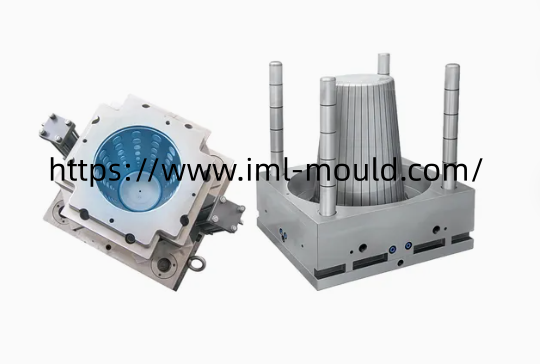
Mould structure should reflect the complete product concept. Engineers may need to consider cavities, cores, runners, gates, cooling systems, ejector mechanisms, inserts, slides, lifters, and other moving elements according to the design. The goal is to create a coordinated tooling system that supports efficient material flow, controlled cooling, practical ejection, and consistent product formation. A well-organized structure can also simplify future maintenance and troubleshooting.
Purchasing decisions should begin with the finished product and its intended market. A mould for a household item may have different priorities from tooling developed for packaging, automotive components, consumer electronics, medical-related products, or industrial parts. Buyers can consider the plastic material, product geometry, surface finish, assembly requirements, decoration methods, production workflow, and future design changes before selecting a tooling solution.
Supplier evaluation is equally important. A capable mould manufacturer should provide clear communication, engineering support, precision machining, quality management, customization flexibility, and reliable project coordination. Buyers may also benefit from manufacturers that review product designs before mould construction begins and identify potential manufacturability challenges. Ningbo Hengqi Precision Mould Co., Ltd. develops mould solutions with attention to practical tooling design, precision manufacturing, and varied plastic product applications.
Functional engineering directly affects the quality of injection molding. Engineers can study material flow, air release, cooling organization, parting lines, ejection direction, and the relationship between moving components. Complex product features may require slides, lifters, inserts, or other specialized mechanisms. Practical engineering helps ensure that these elements work together without creating unnecessary complications for production teams.
Technology continues to reshape mould development. Digital modeling allows engineers to review product geometry, mould structure, assembly relationships, material-flow concepts, and ejection strategies before physical tooling is completed. Modern CNC machining, electrical discharge machining, wire cutting, grinding, polishing, and inspection methods can support detailed cavity and core fabrication. Digital inspection feedback can also help manufacturers identify inconsistencies and refine tooling during development.
User experience begins with the final plastic product, even though consumers never see the mould itself. Tooling quality can influence edge smoothness, surface texture, dimensional consistency, assembly features, and overall product feel. A carefully developed mould can help support products that are easier to handle, assemble, clean, open, close, or integrate with related components.
Maintenance should be considered throughout the mould lifecycle. Injection tooling requires regular cleaning, inspection, lubrication, polishing, and care of moving or wear-related components. Practical access to ejector systems, inserts, cooling areas, slides, and other service sections can make routine maintenance easier. A service-friendly structure can also help production teams diagnose issues without unnecessarily interrupting the wider manufacturing process.
Design and appearance are closely connected with mould engineering. Product designers may request polished surfaces, controlled textures, logos, embossed details, recessed areas, smooth transitions, or decorative patterns. These visual concepts must be translated accurately into cavity and core features while remaining practical for injection molding. Close cooperation between product designers and tooling engineers can create a better balance between visual character and manufacturing efficiency.
Customization provides flexibility for brands, manufacturers, and product developers. Different projects may require specialized product geometry, functional inserts, surface textures, branding areas, assembly structures, or decorative features. Flexible mould development allows manufacturers to adapt tooling around specific customer requirements while keeping production organized. Collaboration among designers, engineers, mould specialists, and customers can help transform a creative concept into a workable production solution.
Quality management connects material evaluation, product review, mould design, machining, heat treatment, polishing, assembly, inspection, testing, maintenance, and customer feedback. Consistent procedures help manufacturers identify potential problems early and improve future tooling. Feedback from molding teams can also provide useful information about ejection, cooling, surface appearance, assembly, cleaning, and finished-product consistency.
Ningbo Hengqi Precision Mould Co., Ltd. continues developing plastic mould solutions through engineering experience, precision machining, quality-focused manufacturing, flexible product development, and attention to customer application needs. Its approach connects tooling materials, product structure, mould technology, maintenance, usability, and visual design to support different plastic product projects. More information about its products and capabilities is available at https://www.iml-mould.com/.


 Search in Classifieds
 Search in Groups
 Search in Polls
 Search in Members
 Search in Members
 Search in News
 Search in Businesses
 Search in Contests
 Search in Events
 Search in Music Albums
 Search in Music Songs
 Search in Quotes
 Search in Site Team



Share this page with your family and friends.