Modern plastic products often depend on tooling that can translate detailed product concepts into consistent physical forms, and working with a Custom Injection Mould Manufacturer requires consideration of far more than cavity production alone. Material selection, procurement decisions, engineering coordination, user experience, maintenance, and visual design all influence how effectively a mould supports the complete journey from product concept to repeatable manufacturing.
Mould material selection begins with understanding what the tooling needs to accomplish throughout production. Tool steels and other engineering materials can provide different combinations of hardness, toughness, wear resistance, corrosion resistance, machinability, and polishing capability. The appropriate choice should reflect the plastic being processed, the desired surface character, the complexity of the product, and the expected maintenance approach. Material planning also affects machining methods and finishing work, making it an important decision early in the development process.
The relationship between mould material and product geometry deserves equal attention. Complex plastic parts may include deep sections, curved surfaces, clips, ribs, openings, textured areas, and moving features. These details influence cavity construction, core arrangements, parting concepts, ejection, cooling, and machining access. A mould should therefore be developed as a coordinated system rather than as a collection of individual features. Good material and geometry planning can help reduce unnecessary complications during manufacturing.
Purchasing decisions should begin with the product rather than with tooling terminology. Buyers may consider the intended application, plastic material, appearance expectations, assembly method, packaging process, production workflow, and future product revisions. It is also useful to evaluate how easily the tooling can accommodate practical changes during development. A clear understanding of the product lifecycle helps purchasing teams compare mould suppliers based on engineering capability and manufacturing support rather than focusing only on initial tooling cost.
Supplier selection is particularly important when a project includes customized geometry or demanding surface requirements. A capable mould partner should understand product design, plastic behavior, machining, mould assembly, inspection, testing, and production coordination. Early technical communication can help identify potential issues before the tooling is completed. Ningbo Hengqi Precision Mould Co., Ltd. combines practical mould manufacturing experience with product-focused engineering to support customers developing different plastic products and applications.
Functional engineering determines whether the tooling can turn a digital product concept into a stable manufacturing process. Engineers consider runner arrangements, gate concepts, venting, cooling paths, ejection systems, parting surfaces, and moving components according to the product structure. Each feature must work within the overall mould architecture. A carefully coordinated design can support smoother filling, cooling, release, assembly, and later servicing while helping production teams maintain consistent results.
Digital technology has become an important part of modern tooling development. Three-dimensional modelling allows engineers to review cavity surfaces, moving parts, assembly relationships, parting concepts, and service access before physical manufacturing begins. Design review can reveal potential interference or difficult areas while changes are still relatively manageable. Digital inspection technologies can also provide useful feedback when manufactured mould components are compared with design expectations.
Mould development can benefit from connecting digital engineering with practical manufacturing experience. Machining teams may discover areas where tool access can be improved, while assembly technicians may identify opportunities to simplify component placement. Testing can reveal how the mould behaves during actual production, providing additional information for future refinement. This feedback loop helps tooling teams develop more practical solutions based on real manufacturing conditions.
User experience applies not only to the final plastic product but also to the people who operate and maintain the mould. Production technicians may need convenient access to service areas, understandable component arrangements, and practical cleaning procedures. Moulds that are easier to inspect and maintain can help production teams respond more efficiently when routine service is required. Considering the technician's experience can therefore influence the long-term usability of the tooling itself.
Maintenance should be considered during the initial tooling design rather than after production begins. Injection moulds can require cleaning, lubrication, polishing, inspection, and attention to moving components. Accessible service areas and logically arranged parts can simplify these activities. Thoughtful maintenance planning may also reduce unnecessary disassembly and make it easier to identify wear, contamination, or alignment concerns before they affect product quality.
Visual design plays a major role when plastic products require refined surfaces or strong brand identity. Polished cavity areas, controlled textures, logos, patterns, and decorative elements all need to be reproduced consistently by the mould. Designers and tooling engineers should work together so aesthetic details remain compatible with practical machining, polishing, ejection, and mould release. A visually sophisticated product still needs tooling that can reproduce those details reliably throughout production.
Customization can provide greater flexibility for brands, product developers, and manufacturers working with specialized plastic products. Different projects may require revised parting concepts, surface treatments, cooling arrangements, ejection strategies, or component layouts. Flexible mould development allows these ideas to be incorporated while maintaining an organized tooling structure. Cooperation between designers, engineers, production teams, and customers can make revisions clearer and reduce unnecessary changes during later stages.
Quality management connects design review, material preparation, machining, polishing, mould assembly, testing, inspection, maintenance, and customer feedback. Consistent processes help tooling manufacturers monitor production quality and identify opportunities for improvement. Feedback from molding teams can reveal practical information about part release, surface consistency, cleaning, service access, and production handling, giving engineers useful direction for future mould projects.
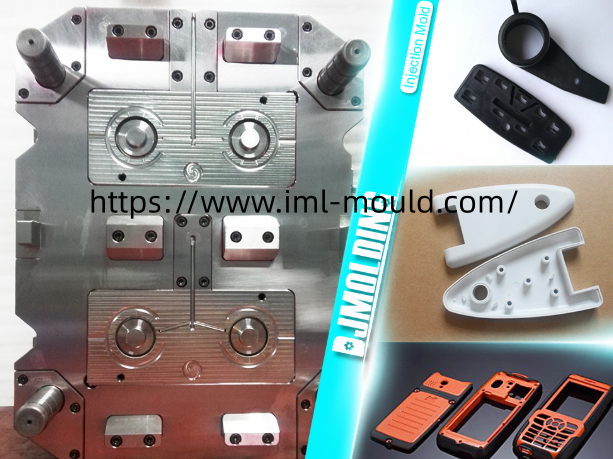
Ningbo Hengqi Precision Mould Co., Ltd. continues developing plastic mould solutions through practical tooling experience, precision engineering, coordinated manufacturing, quality-focused processes, and customer-oriented development. Its approach considers mould materials, product geometry, functional structure, digital engineering, technician usability, maintenance, surface requirements, and visual design when supporting different plastic product projects. More information about its products and capabilities is available at https://www.iml-mould.com/.


 Search in Classifieds
 Search in Groups
 Search in Polls
 Search in Members
 Search in Members
 Search in News
 Search in Businesses
 Search in Contests
 Search in Events
 Search in Music Albums
 Search in Music Songs
 Search in Quotes
 Search in Site Team



Share this page with your family and friends.