Relocating a business to a new building is a major task that requires careful planning. Office furniture, computers, equipment, documents, inventory, and supplies all need to reach the new location in an organized manner. Commercial moving involves more than transporting items because business operations may need to continue during the transition. Starting preparations early allows owners and managers to create an inventory, organize departments, prepare employees, and schedule transportation. A clear plan can reduce confusion and help the business return to normal activities sooner. From selecting the moving date to arranging the new workspace, each stage should be considered before the first item leaves the current location.
Creating a Business Relocation Strategy
The first step is to create a detailed relocation strategy. Determine the target moving date and identify everything that needs to be transported. Desks, chairs, computers, filing cabinets, machinery, documents, supplies, and other business assets should be included in the inventory. Commercial moving can involve several departments, so assigning responsibilities early can help keep the process organized. Review both properties for entrances, elevators, loading areas, parking spaces, stairs, and hallway dimensions. Building management may also have specific requirements for deliveries and moving activity. Handling these details ahead of time can help prevent delays and make moving day easier to manage.
Preparing a Complete Inventory
An accurate inventory gives the business a record of what needs to be moved. Each department can list its furniture, equipment, documents, and supplies before packing begins. This is also a useful opportunity to identify outdated equipment, broken furniture, or materials that are no longer needed. During commercial moving, reducing unnecessary items can lower the amount of material that needs to be transported. Boxes should be labeled according to their department, room, or destination area. Larger equipment can also be assigned identification numbers when appropriate. After arrival, the inventory can be used to check that important belongings have reached the new workplace.
Organizing Office Furniture and Equipment
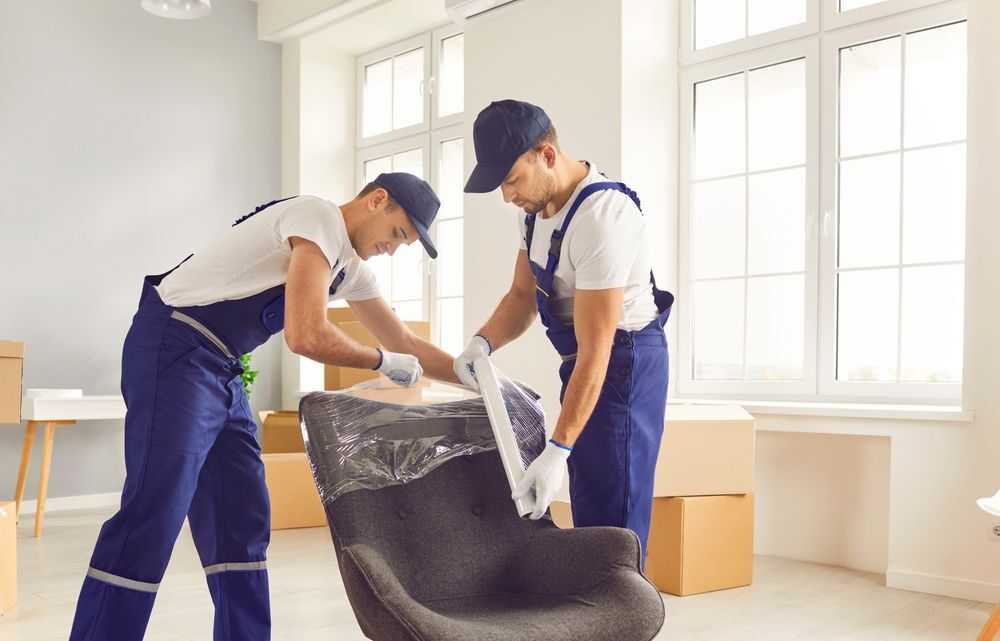
Furniture and large equipment often require additional preparation. Desks, conference tables, cabinets, shelving units, and other bulky items may need to be disassembled before transportation. Keep screws, bolts, and other hardware in clearly marked containers. Computers, monitors, printers, and other electronic equipment should also be prepared carefully before they are disconnected. Commercial moving in Silver Spring becomes easier when furniture and technology are organized before loading starts. Measure large items and compare their dimensions with the entrances and rooms at the new property. Creating a basic floor plan can help determine where desks, storage units, and equipment should be placed after arrival.
Protecting Business Technology
Modern businesses depend heavily on computers and electronic systems, making technology preparation an important part of relocation planning. Back up important files before equipment is disconnected. Label cables, adapters, monitors, and other accessories so they can be identified during setup. During commercial moving, networking equipment and communication systems may require special attention because employees may depend on them immediately after arrival. Keep related components together whenever possible. A technology checklist can help track devices from the old workplace to the new one. Preparing the new location's internet connections and electrical requirements ahead of time can also reduce setup delays.
Managing Documents and Supplies
Business documents can contain important information and should be organized carefully before transportation. Files can be grouped by department, project, client, or storage category. Sensitive paperwork should remain clearly identified throughout the relocation. Commercial moving can become confusing when documents from different departments are packed together, so labels can help keep everything organized. Office supplies such as printer paper, folders, pens, stationery, and storage materials can be packed separately. An inventory of important files and supplies can make it easier to locate items after arrival. Clear organization before the move can save employees considerable time during the unpacking process.
Coordinating Employees
Employees should receive clear information about the relocation schedule and their responsibilities. Each department can prepare workstations, organize documents, and identify equipment that needs special handling. During commercial moving, communication helps prevent boxes and equipment from being misplaced or mixed between departments. Employees should know where their new workstations will be located and when they are expected to resume normal duties. Personal desk items can be labeled individually, while shared equipment can be assigned to specific rooms. Giving staff enough preparation time can reduce last-minute packing and make the transition easier to coordinate.
Choosing the Right Moving Schedule
The timing of a business relocation can have a direct effect on daily operations. Many companies choose weekends, evenings, holidays, or slower business periods to reduce interruptions. Commercial moving can also be completed in stages when transporting the entire workplace at once is not practical. Nonessential supplies and storage items can be moved first, followed by furniture, technology, and active workstations. The schedule should provide enough time for the new location to be prepared before employees return. Coordinating transportation with building access and business hours can help create a smoother transition.
Preparing the New Business Location
The new property should be inspected before the main relocation begins. Check electricity, lighting, internet access, security systems, entrances, storage areas, and other important features. During commercial moving, every department should have a designated area so boxes and equipment can be placed correctly. A floor plan can guide the placement of desks, meeting tables, cabinets, and larger equipment. Boxes should go directly to their intended rooms rather than being left in hallways or common areas. Preparing the workplace before arrival can make the final setup faster and give employees a more organized environment when they return.
Returning to Normal Operations
After everything has arrived, the business still needs to complete its setup. Large furniture can be positioned first, followed by computers, equipment, documents, and supplies. Employees can then organize their individual workstations and shared areas. Commercial moving is complete only when the new workplace is ready for normal business activity. Technology should be tested, important files should be located, and essential equipment should be checked. Meeting rooms, storage spaces, kitchens, and other shared areas can then be arranged. Taking a structured approach to setup can help employees return to their regular responsibilities without unnecessary delays.
A successful business relocation depends on preparation, communication, scheduling, and organization. Creating an inventory, preparing technology, organizing documents, labeling equipment, coordinating employees, and planning the new workspace can make the transition easier. Commercial moving becomes more manageable when each stage is planned before transportation begins. Businesses can reduce interruptions by choosing an appropriate moving schedule and preparing the new property in advance. With careful planning and clear responsibilities, a company can move its workplace to a new location while keeping important belongings organized and getting back to normal operations as efficiently as possible.


 Search in Classifieds
 Search in Groups
 Search in Polls
 Search in Members
 Search in Members
 Search in News
 Search in Businesses
 Search in Contests
 Search in Events
 Search in Music Albums
 Search in Music Songs
 Search in Quotes
 Search in Site Team



Share this page with your family and friends.