



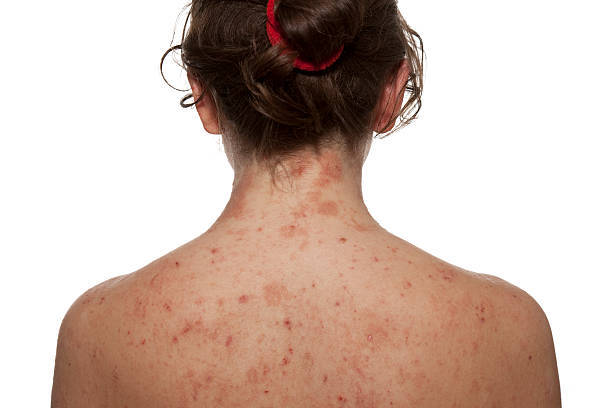
Hot and humid weather is a challenge for anyone prone to back acne. Heat increases sweat production, humidity prevents that sweat from evaporating, and clothing traps the mixture against your skin. How to Treat Back Acne and Its Effects? The result is a perfect environment for clogged pores and inflammation. Managing back acne in these conditions requires adjusting your routine to the climate. e xplains how.
Why Heat and Humidity Worsen Back Acne
Heat stimulates sweat glands, increasing moisture on the skin's surface.
Humidity prevents sweat from evaporating, so it remains mixed with oil and dead cells. This mixture clogs pores and encourages bacterial growth.
The Role of Trapped Moisture
When sweat cannot evaporate, it softens the skin and loosens dead cells.
These cells bind with oil and debris, forming plugs inside pores. The longer moisture remains, the greater the risk of congestion.
Why the Back Is Especially Vulnerable
The back has a high concentration of oil glands and is usually covered by clothing.
In hot, humid conditions, this combination creates a warm, moist environment where bacteria thrive.
Tip One: Shower More Frequently
In hot weather, showering once daily may not be enough. Shower after any activity that causes sweating.
Use a gentle acne-focused cleanser on your back.
Tip Two: Choose Lightweight, Breathable Fabrics
Cotton and moisture-wicking fabrics allow sweat to evaporate.
Avoid tight synthetic clothing that traps heat and moisture.
Tip Three: Change Clothes Frequently
Never wear sweaty clothes twice. Change immediately after exercise or time outdoors.
Carry a spare shirt if needed.
Tip Four: Keep Skin Dry
After showering, pat your back dry rather than rubbing.
Use a clean towel and ensure skin is fully dry before dressing.
Tip Five: Use the Right Cleansers
Salicylic acid and benzoyl peroxide cleansers address congestion and bacteria.
Avoid harsh soaps that strip the barrier.
Tip Six: Moisturize With Lightweight Formulas
Even in humid weather, skin needs hydration. Choose gel-based, non-comedogenic moisturizers.
Heavy creams clog pores.
Tip Seven: Choose Non-Comedogenic Sunscreen
Sun protection is essential, but heavy sunscreens clog pores. Choose lightweight, oil-free formulas.
Reapply as needed, and cleanse thoroughly afterward.
Tip Eight: Avoid Backpacks and Tight Straps
Friction from straps worsens acne in hot weather.
Choose bags that minimise contact with the back.
Tip Nine: Manage Indoor Environments
Air conditioning reduces humidity and sweat production.
Use fans or air conditioning to keep indoor environments comfortable.
Tip Ten: Stay Hydrated
Hydration supports temperature regulation and skin health.
Drink water consistently throughout the day.
Tip Eleven: Avoid Picking and Squeezing
Picking worsens inflammation and increases scarring risk.
Let lesions heal naturally.
Tip Twelve: Consider Professional Treatment
If breakouts persist despite good habits, professional treatment may be needed.
Prescription treatments can address stubborn acne.
For those seeking expert guidance and customized aesthetic care, you can book an appointment consultation at the Enfield Royal Riyadh.
FAQs
Why does hot weather worsen back acne?
Heat increases sweat, and humidity prevents it from evaporating, clogging pores.
How often should I shower in hot weather?
Shower at least once daily, and after any activity that causes sweating.
What fabrics help prevent back acne?
Cotton and moisture-wicking fabrics that allow sweat to evaporate.
What sunscreen suits acne-prone back skin?
Lightweight, oil-free, non-comedogenic formulas.
When should I see a professional?
If breakouts persist despite consistent hot-weather care.
Final Thoughts
Managing back acne in hot and humid weather requires adjusting your routine to the climate. Showering frequently, choosing breathable fabrics, keeping skin dry, and using appropriate products reduce congestion. Consistency matters more than intensity. When home care is not enough, professional treatment offers effective solutions. With the right approach, you can keep your skin clearer even in challenging conditions.


Share this page with your family and friends.