Search in Classifieds
Search in Groups
Search in Polls
Search in Members
Search in Members
Search in News
Search in Polls
Search in Businesses
Search in Contests
Search in Events
Search in Music Albums
Search in Music Songs
Search in Quotes
Search in Site Team
Search in Jobs
Search in Products
Search in Products
6 minutes, 32 seconds
-20 Views 0 Comments 0 Likes 0 Reviews
A person's location no longer has to determine the kind of television they can enjoy. Families living abroad, travelers, language learners, and viewers simply curious about other cultures can now explore entertainment from different regions without relying entirely on traditional broadcasting methods.
The internet has played a major role in this change. As connected television becomes more common, international programming can reach audiences through devices that are already part of everyday life. From news and sports to movies and cultural programs, global entertainment is becoming a more accessible part of home viewing.
Moving to another country doesn't necessarily mean losing interest in the television programs associated with home.
People often want to continue following familiar shows, news programs, sports competitions, or cultural content after relocating. Access to international television can provide a sense of familiarity while helping viewers stay connected with events and communities in other parts of the world.
This is particularly meaningful for households with family members living across different countries.
Television can be a simple way to maintain exposure to a familiar language.
Families raising children away from their country of origin may use international programming to keep younger family members connected with their language and culture. Language learners can also benefit from hearing natural conversations through television programs, interviews, documentaries, and entertainment.
This gives global programming value beyond simple entertainment.
International television also allows viewers to discover perspectives they might not encounter through local programming.
Cooking shows, documentaries, dramas, news programs, and cultural broadcasts can introduce audiences to different traditions and ways of life. Viewers can explore these subjects without needing to travel.
Entertainment becomes a window into places and communities that may otherwise feel distant.
Sports are another major reason audiences look beyond local programming. Fans often follow teams and competitions from countries other than their own.
International football, cricket, motorsports, tennis, and other competitions have dedicated audiences around the world. Internet-connected television can make it easier to find available broadcasts and follow events across different markets.
For passionate fans, access to international sports can make the home viewing experience considerably broader.
International programming isn't limited to the main television anymore. Smart TVs, laptops, tablets, and smartphones provide multiple ways to watch compatible content.
This flexibility is useful for households where different people have different viewing preferences. One person might watch a cultural program on the television while another follows international news on a tablet.
The ability to choose different screens makes global entertainment easier to integrate into everyday routines.
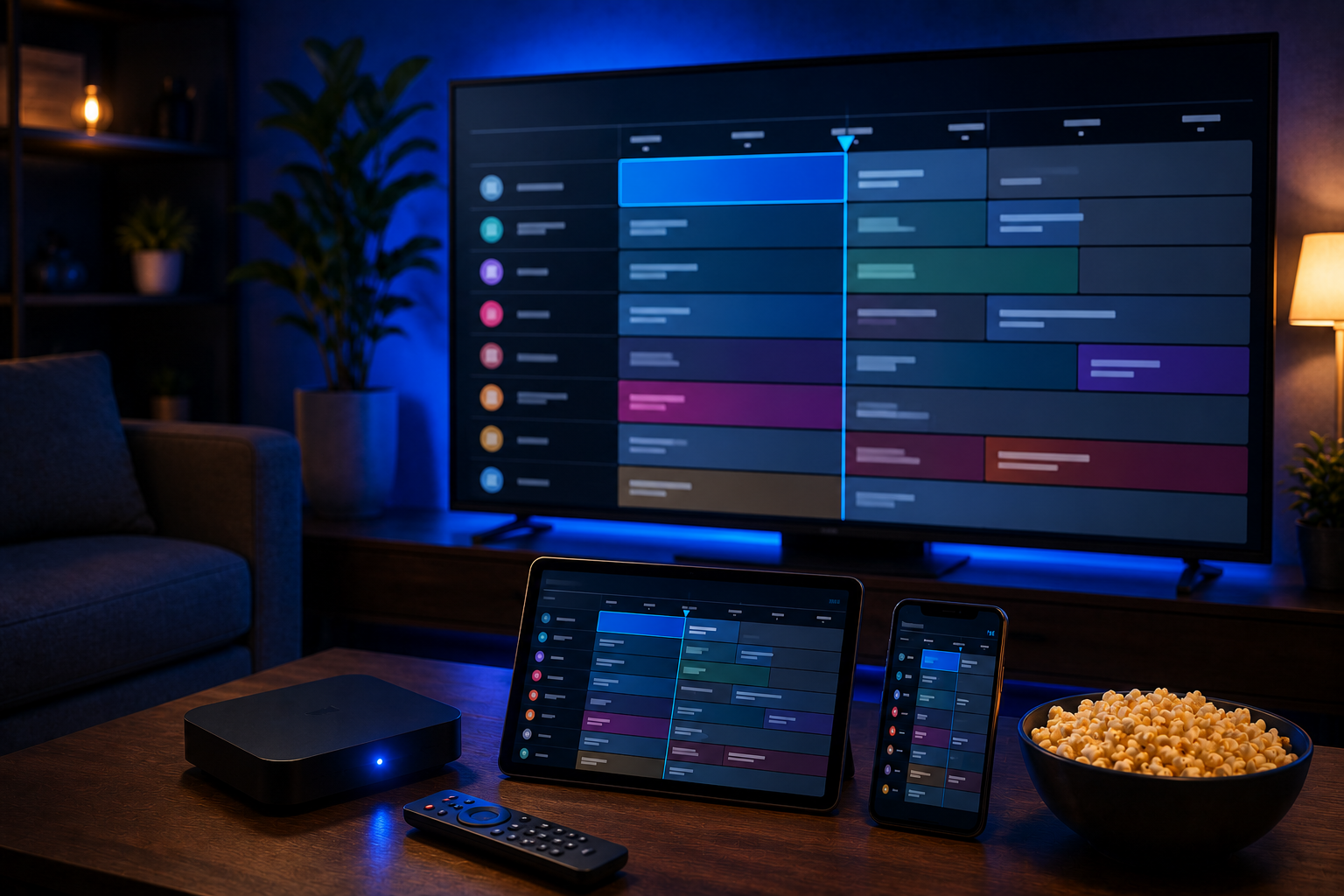
A large international content library can become difficult to navigate without proper organization. Modern television platforms can make discovery simpler through regional categories, language filters, electronic program guides, and search functions.
Viewers interested in global TV channels can benefit from organized interfaces that make it easier to identify programming from specific countries or regions.
Good navigation can turn a large selection into something practical and easy to use.
International television delivered over the internet depends on the quality of the viewer's connection. A stable broadband connection helps reduce interruptions and provides better support for high-resolution video.
Households should also consider how many devices are using the network simultaneously. Multiple streams, gaming, large downloads, and video calls can all compete for available bandwidth.
A well-managed home network can therefore make international viewing more reliable.
Global programming isn't necessarily available everywhere in exactly the same form. Broadcasting rights, licensing agreements, regional restrictions, and local regulations can affect which channels or programs viewers can legally access.
For that reason, viewers should check availability in their particular location and use legitimate services that have the appropriate rights to distribute content.
This is an important part of building a reliable and responsible international viewing setup.
The growing availability of international programming reflects how connected the world has become. People communicate across borders, work with international teams, and maintain relationships with friends and family in different countries.
Television naturally follows this trend. Entertainment can now reflect a wider range of languages, cultures, sports, and perspectives.
International entertainment is becoming easier to incorporate into everyday home viewing thanks to internet-connected technology. Viewers can explore different cultures, follow overseas sports, stay connected with familiar languages, and discover programming from regions they may never have been able to access easily before.
As connected devices and internet infrastructure continue to improve, global television is likely to become an increasingly natural part of the modern entertainment experience.
We are a close community to help to meet and greet new people.
We are a secure community with 5000+ active members who help you with your queries, post new updates and grow your network.

Share this page with your family and friends.