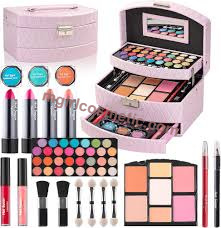
The sensory experience of a cosmetic product can influence how consumers perceive its texture, application, appearance, and overall usability.Lip Scrub Makeup combines decorative beauty concepts with lip care characteristics, making texture development an important part of product creation. Manufacturers need to consider particle distribution, base consistency, aroma, color, spreadability, container design, and application methods during development. MgirlCosmetic, associated with JinhuaMgirl Cosmetic Co., Ltd., provides cosmetic manufacturing resources for brands exploring customized beauty products and lip-focused collections. When a formula needs to feel pleasant while maintaining its intended function, what factors should manufacturers consider?
Understanding the Sensory Experience
Sensory design begins with understanding how a product behaves during application. A lip scrub may appear attractive inside its container, yet the consumer experience depends on how easily the formula can be picked up, distributed across the lips, and removed or absorbed after use.
Texture is therefore a central consideration. A balanced formula can provide a recognizable exfoliating sensation without creating an uncomfortable experience. Particle characteristics, base viscosity, ingredient compatibility, and product structure all influence how the formula feels during application.
Manufacturers can evaluate texture through controlled sample development. Different formula variations may be compared according to spreadability, particle distribution, surface feel, and overall application response. Such evaluations allow development teams to identify a formulation direction that corresponds with the intended product concept.
Selecting Appropriate Exfoliating Components
Exfoliating materials have a direct relationship with sensory performance. Their particle characteristics, concentration, shape, and distribution can influence the tactile experience.
A formulation designed for a gentle application may require carefully selected particles that correspond with the intended positioning. Manufacturers can examine particle uniformity and compatibility with the surrounding base to create a consistent product structure.
The interaction between exfoliating components and other ingredients also matters. Oils, waxes, emollients, and conditioning materials can affect how particles move across the lip surface. A suitable balance can help create a coherent application experience instead of an uneven sensation.
Formula development should therefore examine the complete composition rather than focusing on a single ingredient. Each component contributes to the finished texture and can influence the way the product behaves during use.
Creating a Comfortable Base Texture
The base formula provides the foundation for the sensory profile. A product that is excessively firm may be difficult to pick up, while a formula that is too fluid may create challenges during application and storage.
Manufacturers can adjust viscosity, oil content, wax structure, and other formulation characteristics according to the desired product format. Jar-based products, tubes, pots, and other containers can require different texture considerations.
Spreadability is another important factor. A suitable base can allow the formula to move smoothly across the lips while maintaining sufficient structure inside the package. This balance can contribute to a controlled application process.
Sample testing is useful during this stage because laboratory measurements alone may not fully describe the consumer experience. Practical application can reveal characteristics that require additional formulation adjustment.
Considering Aroma and Visual Appeal
Sensory perception is not limited to texture. Aroma and appearance can also shape the first impression of a cosmetic product.
A carefully selected fragrance profile can complement the product concept, while an appropriate intensity can support the intended positioning. Manufacturers need to consider compatibility between fragrance materials and the overall formulation, as well as applicable cosmetic requirements.
Color and visual consistency also contribute to product presentation. A smooth, uniform appearance inside the container can communicate careful formulation and support the visual identity of a cosmetic collection.
For customized products, these elements can be coordinated with brand themes. A fruity concept, dessert-inspired collection, natural positioning, or minimalist design may each require a different combination of color, aroma, package style, and texture.
Improving Application Convenience
The package is part of the sensory experience because consumers interact with the container before touching the formula. A well-considered package can support convenient storage, handling, and application.
Manufacturers can evaluate the relationship between product viscosity and package opening size, applicator structure, container depth, and dispensing method. These details can affect how easily the formula can be accessed.
Portable packaging can also be considered for consumers who prefer carrying cosmetic products during travel or daily activities. A secure closure helps protect the formula while reducing the possibility of leakage or unnecessary exposure.
For brands developing private-label products, package shape and decoration can be coordinated with the formulation concept. This creates a consistent connection between the physical product and its visual identity.
Testing the Complete Product
Sensory development should be evaluated alongside quality requirements. A pleasant texture is useful only when the product remains stable and consistent during storage and distribution.
Manufacturers can assess appearance, texture, aroma, package compatibility, filling performance, and stability during development. These evaluations provide information about how the formula behaves over time and under different storage conditions.
Batch consistency is also important. A product approved during sampling needs to maintain corresponding characteristics during routine production. Production procedures, ingredient weighing, mixing conditions, filling processes, and inspection standards can all contribute to consistency.
Clear specifications give manufacturing teams a practical reference when producing customized cosmetic products. They can also help brands communicate expectations before production begins.
Developing a Distinctive Brand Experience
Sensory characteristics can become part of a brand's product identity. Consumers may associate a particular texture, aroma, color, or application style with a specific cosmetic collection.
For this reason, manufacturers can work with brands during product development rather than treating sensory design as an isolated production step. Product positioning, target audience, package concept, and marketing direction can all influence the desired sensory profile.
A coordinated development process can include formula samples, packaging prototypes, artwork reviews, and production discussions. Each stage gives the brand an opportunity to refine the concept before final manufacturing.
For companies entering the lip care and color cosmetics sector, such collaboration can provide a structured path from an initial product idea to a finished commercial item.
Exploring MgirlCosmetic Manufacturing Resources
Beauty brands searching for cosmetic manufacturing support can examine a supplier's product categories, customization capabilities, packaging options, and development resources before starting a project. Online product information can help buyers understand the available formats and identify directions suitable for their collections.
MgirlCosmetic offers cosmetic product resources for businesses interested in private-label and customized beauty development. Its product range can serve as a reference for companies considering lip-focused products, makeup collections, and related cosmetic concepts.
When discussing a customized project, buyers can prepare information about preferred texture, color, aroma, packaging format, target market, artwork requirements, and expected application. Clear project information can help manufacturers understand the desired direction and organize development work accordingly.
Balancing Texture, Function, and Presentation
A successful cosmetic sensory experience comes from coordination rather than a single formulation feature. Texture needs to correspond with application requirements, particles need to work with the base, aroma should fit the product concept, and packaging needs to support convenient handling.
Brands can therefore evaluate a product from the consumer's perspective while manufacturers examine formulation and production feasibility. This combined approach can help create a product concept with coherent sensory characteristics.
Companies interested in exploring lip-focused cosmetic products can review the relevant product information at https://www.mgirlcosmetic.com when preparing a customized project. Lip Scrub Makeup development can then be planned around texture, presentation, packaging, and application requirements, while MgirlCosmetic provides a practical online reference for brands exploring cosmetic manufacturing options.


 Search in Classifieds
 Search in Groups
 Search in Polls
 Search in Members
 Search in Members
 Search in News
 Search in Businesses
 Search in Contests
 Search in Events
 Search in Music Albums
 Search in Music Songs
 Search in Quotes
 Search in Site Team



Share this page with your family and friends.