Modern vehicles are designed to operate in demanding thermal conditions, but the space beneath the hood can become extremely hot during normal driving. Effective engine bay heat insulation can help manage heat transfer around the engine compartment, protect nearby components from excessive thermal exposure, and contribute to a more comfortable cabin environment. When planned correctly, thermal control under the hood becomes part of a broader strategy for improving vehicle refinement rather than simply adding another layer of material.
Heat generated by the engine, exhaust components, turbochargers, and other high-temperature parts can travel through the engine compartment and toward areas such as the firewall and hood. Some of that heat can eventually influence cabin temperatures, particularly when a vehicle is sitting in traffic, working under heavy load, or operating in a hot climate. Addressing these pathways requires more than covering everything with insulation. The material, location, temperature rating, and installation method all matter.
A well-designed thermal-control system should also respect the mechanical environment under the hood. Engine compartments contain moving parts, electrical systems, fluid lines, cooling components, and service points that must remain accessible and unobstructed. The goal is not to completely isolate the engine from its surroundings, but to control unwanted heat transfer while allowing the vehicle's cooling system to function as intended.
Understanding Where Engine Bay Heat Comes From
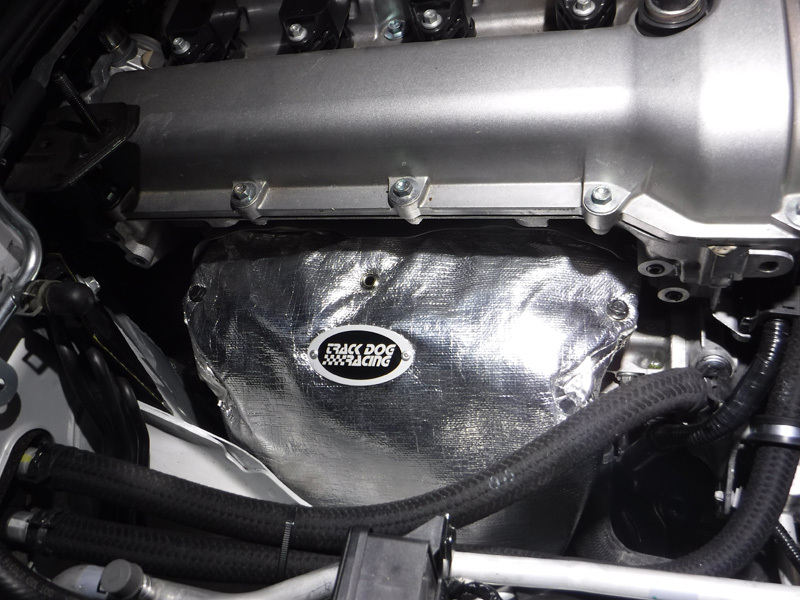
The engine itself is an obvious source of heat, but it is not the only contributor. Exhaust manifolds, catalytic converters, turbochargers, downpipes, and other exhaust-related components can reach substantially higher temperatures than many surrounding parts.
Radiant heat from these components can affect nearby wiring, hoses, brackets, and panels. Conductive heat can also travel through metal surfaces, while heated air can circulate throughout the engine compartment. Because these mechanisms behave differently, thermal management often works best when the specific heat pathway is identified before material is installed.
Why Under-Hood Heat Management Matters
Controlling excessive heat around the engine bay can support several aspects of vehicle operation. Reducing unnecessary thermal exposure may help protect heat-sensitive components and prevent the engine compartment from transferring as much heat toward the cabin.
Cabin comfort is another important consideration. The firewall separates the engine compartment from the passenger area, but it is still a large metal surface capable of transferring heat. When the engine bay becomes extremely hot, managing the thermal load around this barrier can make it easier for the vehicle's climate-control system to maintain a comfortable interior.
Thermal management can also become particularly valuable for vehicles that regularly experience towing, heavy hauling, extended idling, spirited driving, or high ambient temperatures. These conditions can increase the amount of heat produced and retained beneath the hood.
The Firewall Is a Critical Thermal Boundary
The firewall deserves special attention because it sits directly between the engine compartment and cabin. Heat reaching the firewall can conduct through the metal and influence the temperature of the interior-facing surface.
A suitable firewall insulation strategy can help reduce this transfer when the material is designed for the temperatures and conditions involved. However, installation should never interfere with factory components, wiring, pedals, steering mechanisms, ventilation equipment, or other systems positioned around the firewall.
For the best result, thermal treatment should complement the vehicle's original insulation rather than being applied without considering the existing construction.
Heat Insulation Is Not the Same as Sound Deadening
Thermal insulation and acoustic treatment can work together, but they perform different jobs. A thermal barrier is primarily intended to slow or redirect heat transfer. Sound-deadening material, on the other hand, is commonly used to reduce panel vibration and structural resonance.
This distinction becomes important when planning an engine-bay upgrade. A material that performs well against vibration is not automatically appropriate for direct exposure to extreme engine-compartment temperatures. Likewise, a high-temperature thermal barrier should not be expected to provide the same acoustic performance as a purpose-built damping product.
A layered approach can therefore be more effective when the application calls for both temperature and noise control. Each material should have a clearly defined role.
Choosing Materials for the Engine Compartment
Material selection is one of the most important parts of any under-hood thermal project. Engine compartments expose materials to heat, vibration, moisture, chemicals, dirt, and repeated temperature changes.
Look for products specifically suited to their intended location and temperature range. The closer a material is placed to a major heat source, the more important its temperature resistance becomes. Materials should also remain stable rather than sagging, deteriorating, releasing unwanted odors, or becoming a mechanical obstruction when exposed to operating conditions.
Thickness alone should not determine the choice. A properly engineered thermal barrier positioned between a heat source and a heat-sensitive component can be more useful than simply installing a thick layer of generic insulation.
Focus on Heat Sources and Heat Paths
Rather than attempting to insulate the entire engine compartment indiscriminately, identify the areas where heat is creating the greatest concern.
For example, shielding a heat-sensitive component from a nearby exhaust source can be more effective than covering a large area far away from the heat source. Similarly, addressing the hood or firewall may make more sense when the primary objective is reducing radiant or conducted heat reaching the passenger compartment.
This targeted approach keeps the installation cleaner and reduces the risk of interfering with components that need airflow or cooling.
Installation Quality Makes a Major Difference
Even high-quality insulation can perform poorly if it is installed incorrectly. Surfaces should be clean and prepared according to the material manufacturer's requirements. The insulation should fit securely and remain positioned under vibration and temperature cycling.
Avoid placing material near belts, pulleys, fans, exhaust components, steering mechanisms, or other moving and extremely hot parts unless the product is specifically designed and approved for that application.
It is equally important to maintain access to components that require routine inspection or servicing. A thermal upgrade should make ownership easier—not turn a simple maintenance task into a complicated removal process.
Don't Restrict the Vehicle's Cooling System
One of the most important principles of engine-bay thermal management is understanding that heat needs to leave the engine compartment. The radiator, cooling fans, airflow paths, vents, and other factory systems are engineered to move heat away from critical components.
Poorly placed insulation can potentially interfere with airflow or trap heat where it does not belong. For this reason, thermal control should be designed around the vehicle's cooling strategy rather than against it.
The objective is to block unwanted heat transfer toward sensitive areas while preserving the airflow and cooling processes required for normal operation.
Combining Thermal and Acoustic Improvements
Engine compartments can generate both heat and noise, making them an interesting area for a broader vehicle-refinement project. Mechanical vibration, exhaust noise, intake sounds, and structural resonance can all contribute to the overall driving experience.
If noise reduction is also a priority, acoustic treatment can be considered separately from thermal barriers. Strategic treatment of the firewall, hood, doors, floor, and other appropriate panels can help address different noise pathways throughout the vehicle.
This creates a more balanced approach. Instead of expecting one material to solve every problem, each layer is selected according to the type of energy it needs to control.
Consider the Cabin as Part of the Same System
Under-hood heat management is only one part of maintaining interior comfort. Heat can enter the cabin through the firewall, floor, transmission tunnel, doors, glass, and other areas.
If the goal is a noticeably more refined interior, it makes sense to evaluate the entire vehicle rather than focusing exclusively on the engine bay. Thermal treatment under the hood can work alongside appropriate cabin insulation and acoustic treatment to create a more controlled environment.
This approach is especially useful for work trucks, vans, performance vehicles, and vehicles that spend long periods operating in demanding temperatures.
Common Mistakes to Avoid
One common mistake is choosing a material based only on appearance or thickness without confirming that it is appropriate for the intended temperature range. Another is installing insulation too close to a high-temperature component without providing adequate thermal protection.
It is also a mistake to assume that more insulation is automatically better. Excess material can create clearance problems, restrict airflow, complicate maintenance, or interfere with factory systems.
Before installation, identify the heat source, determine the direction of heat transfer, select a suitable material, and plan how it will remain securely installed during normal vehicle operation.
A Smarter Approach to Under-Hood Thermal Control
Effective engine-bay heat management starts with understanding the vehicle rather than simply adding insulation. Different engines, exhaust layouts, body designs, and operating conditions create different thermal challenges.
The strongest strategy is targeted: control radiant heat where it is intense, reduce unwanted conduction toward heat-sensitive areas, protect the firewall when appropriate, and preserve the airflow required for cooling. When acoustic improvements are also needed, use materials specifically designed for those functions instead of treating thermal and sound control as identical problems.
Final Thoughts
Engine-bay temperatures are a normal part of vehicle operation, but excessive or unwanted heat transfer can affect comfort, component exposure, and the overall refinement of a vehicle. Proper engine bay heat insulation can help create a more controlled thermal environment when the right materials are installed in the right locations.
A thoughtful installation focuses on heat sources, thermal pathways, material suitability, clearance, airflow, and long-term durability. Combined with appropriate cabin insulation and acoustic treatment, it can become a valuable part of a broader vehicle-comfort strategy—helping create a driving environment that feels cooler, quieter, and more refined without compromising the systems that keep the engine operating properly.


 Search in Classifieds
 Search in Groups
 Search in Polls
 Search in Members
 Search in Members
 Search in News
 Search in Businesses
 Search in Contests
 Search in Events
 Search in Music Albums
 Search in Music Songs
 Search in Quotes
 Search in Site Team



Share this page with your family and friends.