Custom vial boxes are an important packaging solution for products that are stored in small glass or plastic vials. Because vials can be fragile and are often used for specialized products, choosing the right packaging is essential. A well-designed box can help protect the vial during handling and transportation while also providing a clean, professional presentation.
Unlike standard packaging, custom vial boxes are manufactured according to the size, shape, and quantity of the vials being packaged. This allows businesses to create packaging that fits their products more precisely and avoids unnecessary space inside the box.
What Are Custom Vial Boxes?
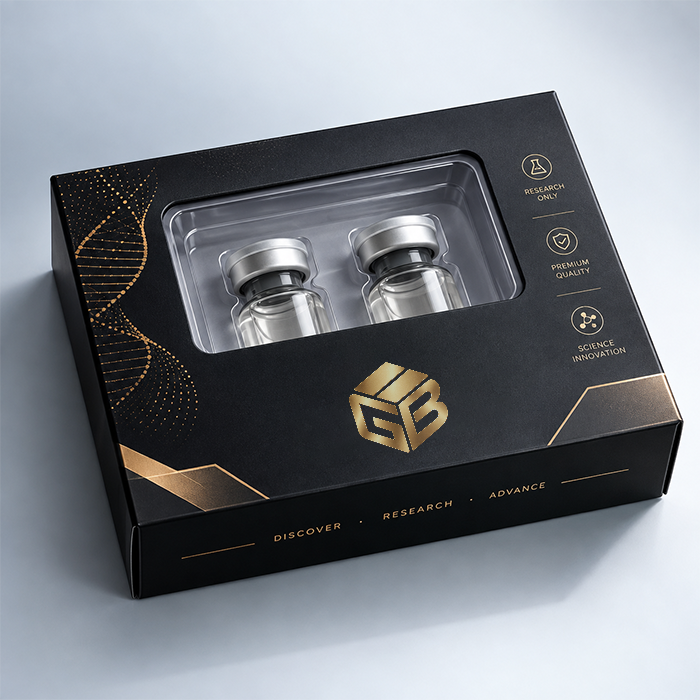
Custom vial boxes are specially designed packages created to hold one or more vials securely. They can be manufactured in different sizes, shapes, materials, and styles depending on the requirements of the product.
Some boxes are designed for a single vial, while others can accommodate multiple vials in an organized arrangement. Internal inserts can also be added to keep individual containers separated and reduce movement inside the package.
The structure of the box can be adapted to different vial dimensions. This is particularly useful when standard packaging does not provide the right fit or does not offer the desired appearance.
Why Vial Packaging Requires Special Attention
Vials are relatively small, but their contents and containers can require careful handling. Glass vials, in particular, can break or chip if they are not adequately protected from impact.
A properly designed box can provide an additional layer of protection between the vial and external handling conditions. Inserts, dividers, and fitted compartments can help prevent containers from moving against one another.
Good packaging should also make the product easy to identify and handle. A box that keeps its contents organized can be more convenient for manufacturers, distributors, retailers, and customers.
Custom Sizes for a Precise Fit
One of the main advantages of custom vial boxes is their ability to match the dimensions of the product.
A box that is too large may leave excessive empty space, allowing the vial to move around during transportation. A box that is too small may make the product difficult to insert or remove.
Custom dimensions allow businesses to find a better balance between protection and presentation. The box can be designed around the vial's height, diameter, quantity, and any additional components included with the product.
Right-sized packaging can also help businesses optimize storage space and reduce unnecessary packaging material.
Vial Box Inserts
Internal inserts are a valuable feature for vial packaging. They can be designed with individual openings or compartments that hold vials in place.
For a single vial, an insert can prevent the container from shifting inside the box. For multiple vials, a structured insert can keep each container separated and arranged in a consistent pattern.
Inserts can also improve the presentation of the product. When a customer opens the box, the contents can appear neatly positioned rather than loosely packed.
Depending on the packaging requirements, inserts may be produced from paperboard, molded materials, foam, or other suitable materials.
Materials Used for Vial Boxes
The choice of material depends on the level of protection, appearance, budget, and shipping requirements.
Paperboard is widely used for retail packaging because it offers a smooth printing surface and can be produced in a variety of thicknesses. Heavier paperboard can provide additional rigidity for products that require stronger packaging.
Corrugated materials can be considered when additional protection is required for shipping or transportation. They can provide greater resistance to crushing and impact compared with lightweight folding cartons.
Businesses should select packaging materials based on the actual handling conditions of their products rather than focusing only on appearance.
Printing and Branding
Custom vial boxes can be printed with designs that help create a consistent product identity. Typography, graphics, colors, product names, and other visual elements can be incorporated into the packaging.
A clean and organized layout is especially useful for products that require important information to be displayed clearly. Product details should remain readable and should not be hidden by decorative elements.
Different panels can be used for different purposes. The front of the box may contain the product name and primary information, while the sides or back can contain additional details, instructions, warnings, storage information, or other required labeling.
All printed information should be accurate and comply with the regulations applicable to the product and the market in which it is sold.
Finishing Choices
Finishing options can give custom vial boxes a more distinctive appearance. Matte finishes create a smooth and understated look, while gloss finishes can provide a brighter surface.
Embossing can raise selected elements, such as a product name or logo, while debossing creates an indented effect. Foil effects can also be used to highlight specific details.
These techniques can be combined carefully to create packaging that looks refined without becoming unnecessarily complicated.
The choice of finishing should complement the product rather than distract from important information.
Packaging for Transportation
Vial boxes may experience different handling conditions during storage and transportation. Packages can be stacked, moved between facilities, placed inside shipping cartons, or handled during delivery.
Custom packaging can be designed to reduce unnecessary movement of the vials. Secure inserts and properly fitted compartments can provide additional stability.
However, the individual product box may not be sufficient for every shipping environment. An outer shipping carton or additional protective packaging may still be necessary, particularly when fragile glass vials are being transported.
Testing packaging under realistic handling conditions can help identify weaknesses before large quantities are shipped.
Custom Vial Boxes for Multiple Products
Businesses that offer several vial-based products can use a consistent packaging system across their product range.
For example, the same structural style can be used for different vial sizes while adjusting the internal dimensions. Product variations can then be identified through different labels, colors, or printed information.
This approach can create a more organized product line while allowing each product to maintain its own identity.
Consistent packaging can also make products easier to store and organize during fulfillment.
Sustainable Vial Packaging
Sustainability is becoming an important consideration in packaging decisions. Businesses can explore recyclable paperboard, responsibly sourced materials, and packaging designs that use fewer unnecessary components.
Right-sized boxes can reduce wasted material and may also decrease shipping volume. Paper-based inserts can sometimes provide an alternative to plastic components where suitable.
However, sustainability should always be balanced with product protection. Fragile vials need adequate support, and packaging should be strong enough for the expected handling conditions.
Creating a Better Unboxing Experience
The packaging experience can influence how customers perceive a product. A vial box that opens easily, keeps its contents organized, and presents the product neatly can create a more convenient experience.
Small details can make a difference. A secure but practical closure, clearly printed information, and a well-fitted insert can make the package easier to use.
For premium products, the unboxing experience can also become part of the overall product presentation. Carefully selected materials, finishes, and structural details can create a polished appearance without compromising practicality.
Final Thoughts
Custom vial boxes provide a flexible way to package small vials safely and professionally. Their biggest advantage is the ability to design the packaging around the actual product, including its dimensions, quantity, protection requirements, and presentation needs.
From custom inserts and sturdy materials to professional printing and specialized finishes, there are many ways to create packaging that balances function and appearance.
Getting info more about packaging: https://goboxery.com/


 Search in Classifieds
 Search in Groups
 Search in Polls
 Search in Members
 Search in Members
 Search in News
 Search in Businesses
 Search in Contests
 Search in Events
 Search in Music Albums
 Search in Music Songs
 Search in Quotes
 Search in Site Team



Share this page with your family and friends.