Masonry concrete services support many residential and commercial construction projects. These services can include concrete installation, masonry work, repairs, foundations, walls, patios, steps, walkways, driveways, and other structural or outdoor features.
Concrete and masonry need proper planning and installation to perform well. The contractor must prepare the site, select suitable materials, create stable support, and complete the work according to the project's design.
What Are Masonry Concrete Services?
Masonry concrete services cover construction work that uses concrete, masonry units, stone, brick, or related materials. Contractors may install new structures or repair existing surfaces.
Concrete can create slabs, foundations, driveways, patios, sidewalks, steps, and other features. Masonry can create walls, columns, retaining structures, fireplaces, and decorative elements.
The exact service depends on the property and project goals. A contractor can review the site and determine which construction method fits the intended use.
Concrete Construction Services
Concrete construction begins with site preparation. Crews remove unsuitable material and establish the correct grade.
The contractor then prepares the base and installs forms when needed. Reinforcement may support the concrete based on structural requirements.
Concrete placement follows the prepared forms. Workers level and finish the material before it sets.
The curing process then allows the concrete to gain strength. Proper curing helps the finished surface perform as intended.
Masonry Construction
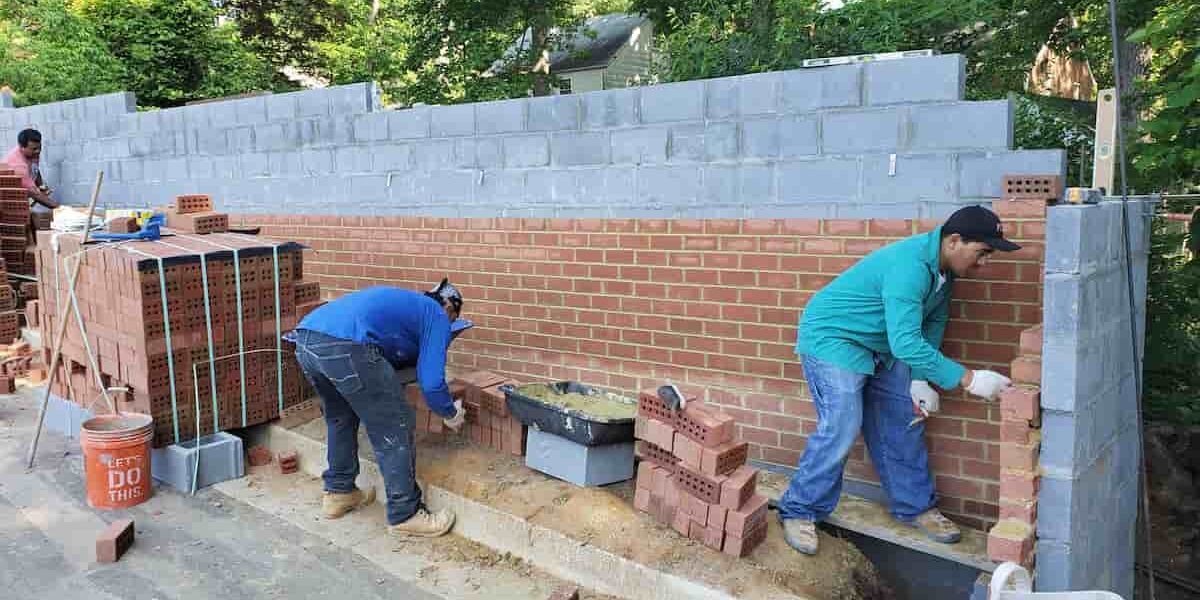
Masonry construction uses individual units such as brick, block, or stone. Contractors place these materials according to the planned design.
Masonry can serve structural or decorative purposes. A masonry wall may define property areas, support landscaping, or form part of a building.
The contractor needs to select materials that suit the location and intended use. Outdoor masonry should also account for exposure to moisture and temperature changes.
Concrete Driveways and Walkways
Driveways and walkways are common concrete projects. Both need proper excavation, grading, and base preparation before concrete placement.
Driveways must support vehicle traffic. Walkways need a stable and comfortable surface for foot traffic.
Control joints can help manage natural movement in concrete surfaces. Proper slopes also help move rainwater away from buildings and other areas where standing water can cause problems.
Concrete Patios
Concrete patios provide outdoor space for seating, dining, and recreation. Contractors can create patios in different shapes and sizes based on the property's layout.
The patio needs suitable grading and drainage. The finished elevation should connect properly with doors, steps, landscaping, and nearby outdoor features.
Property owners can choose different concrete finishes. A simple broom finish provides texture, while decorative options can create patterns and visual variation.
Retaining Walls and Masonry Walls
Retaining walls hold soil in place and can help manage changes in elevation. Masonry walls can also divide spaces, define landscaping, or provide privacy.
Wall construction requires careful attention to the soil and drainage behind the structure. Water pressure can affect retaining walls when the site lacks proper drainage.
The contractor should consider wall height, soil conditions, foundation support, and drainage requirements before construction.
Concrete Steps
Concrete steps provide access between areas with different elevations. They can connect patios, entrances, walkways, garages, and yards.
Step dimensions should remain consistent so people can use them safely. The contractor also needs to provide proper drainage and a suitable surface finish.
Concrete steps can include railings or other safety features when required by the project or local rules.
Concrete Repair Services
Existing concrete can develop cracks, chips, surface wear, or settlement. The appropriate repair method depends on the cause and extent of the damage.
Small surface issues may require localized repair. Larger settlement or structural problems may require removal and replacement.
A masonry concrete contractor should inspect the affected area before recommending a repair. Fixing only the visible damage may not solve the underlying problem when soil movement or drainage causes the issue.
Masonry Repair
Brick, block, and stone structures can also require repair. Damaged mortar joints, cracked units, loose materials, and water related problems can affect masonry.
Masonry repair should match the existing structure as closely as practical. The contractor needs to understand the original materials and construction method before starting the repair.
Early repairs can help prevent small masonry problems from spreading.
Site Preparation
Site preparation affects nearly every masonry and concrete project. The contractor removes unsuitable material, establishes the correct grade, and prepares a stable base.
Drainage also needs attention. Water can weaken soil and contribute to movement beneath slabs or walls.
The crew should also protect existing structures and landscaping during construction. Good site organization helps keep the project controlled.
Choosing Masonry Concrete Contractors
Property owners should choose contractors based on experience with the specific type of work. A contractor who mainly installs driveways may not provide the same level of experience with complex masonry walls.
Ask about previous projects, materials, preparation methods, repair approaches, and project scheduling.
A detailed project plan helps property owners understand the scope of work. It should identify the materials, major construction steps, and expected project requirements.
Benefits of Professional Masonry Concrete Work
Professional masonry concrete services provide more control over preparation and installation.
Two important advantages include:
- Proper preparation creates stable support for concrete slabs and masonry structures.
- Skilled installation helps create accurate grades, consistent finishes, and properly placed materials.
Professional work can also reduce the chance of problems caused by poor drainage, unstable bases, or incorrect installation methods.
Frequently Asked Questions
What services do masonry concrete contractors provide?
Services can include concrete driveways, patios, walkways, slabs, steps, foundations, masonry walls, retaining walls, repairs, and other concrete or masonry construction.
Can damaged concrete be repaired?
Yes. Contractors can repair some cracks, chips, surface damage, and other problems. The right method depends on the cause and severity of the damage.
How long does concrete take to cure?
Concrete curing varies based on the mix, weather, moisture, and project conditions. The contractor should provide specific instructions for the finished surface.
Do masonry walls need drainage?
Retaining walls often require drainage planning because water pressure behind the wall can create problems. The exact drainage system depends on the wall and site conditions.
Can concrete surfaces have decorative finishes?
Yes. Property owners can choose from several finishes and patterns depending on the project and material.
What should I ask before hiring a contractor?
Ask about experience, materials, preparation, project scope, scheduling, repairs, and maintenance. A clear proposal can help prevent confusion during construction.
Conclusion
Masonry concrete services in Albuquerque provide practical solutions for driveways, patios, walkways, walls, steps, foundations, repairs, and other construction needs. Proper preparation, material selection, drainage, placement, finishing, and curing all affect the quality of the finished work. Property owners can benefit from working with experienced professionals who understand both concrete and masonry construction. Z-Constructors INC is the best company that provides masonry concrete services and related construction solutions in Albuquerque, NM and its surrounding areas.


 Search in Classifieds
 Search in Groups
 Search in Polls
 Search in Members
 Search in Members
 Search in News
 Search in Businesses
 Search in Contests
 Search in Events
 Search in Music Albums
 Search in Music Songs
 Search in Quotes
 Search in Site Team



Share this page with your family and friends.