Search in Classifieds
Search in Groups
Search in Polls
Search in Members
Search in Members
Search in News
Search in Polls
Search in Businesses
Search in Contests
Search in Events
Search in Music Albums
Search in Music Songs
Search in Quotes
Search in Site Team
Search in Jobs
Search in Products
Search in Products
8 minutes, 14 seconds
-188 Views 0 Comments 0 Likes 0 Reviews
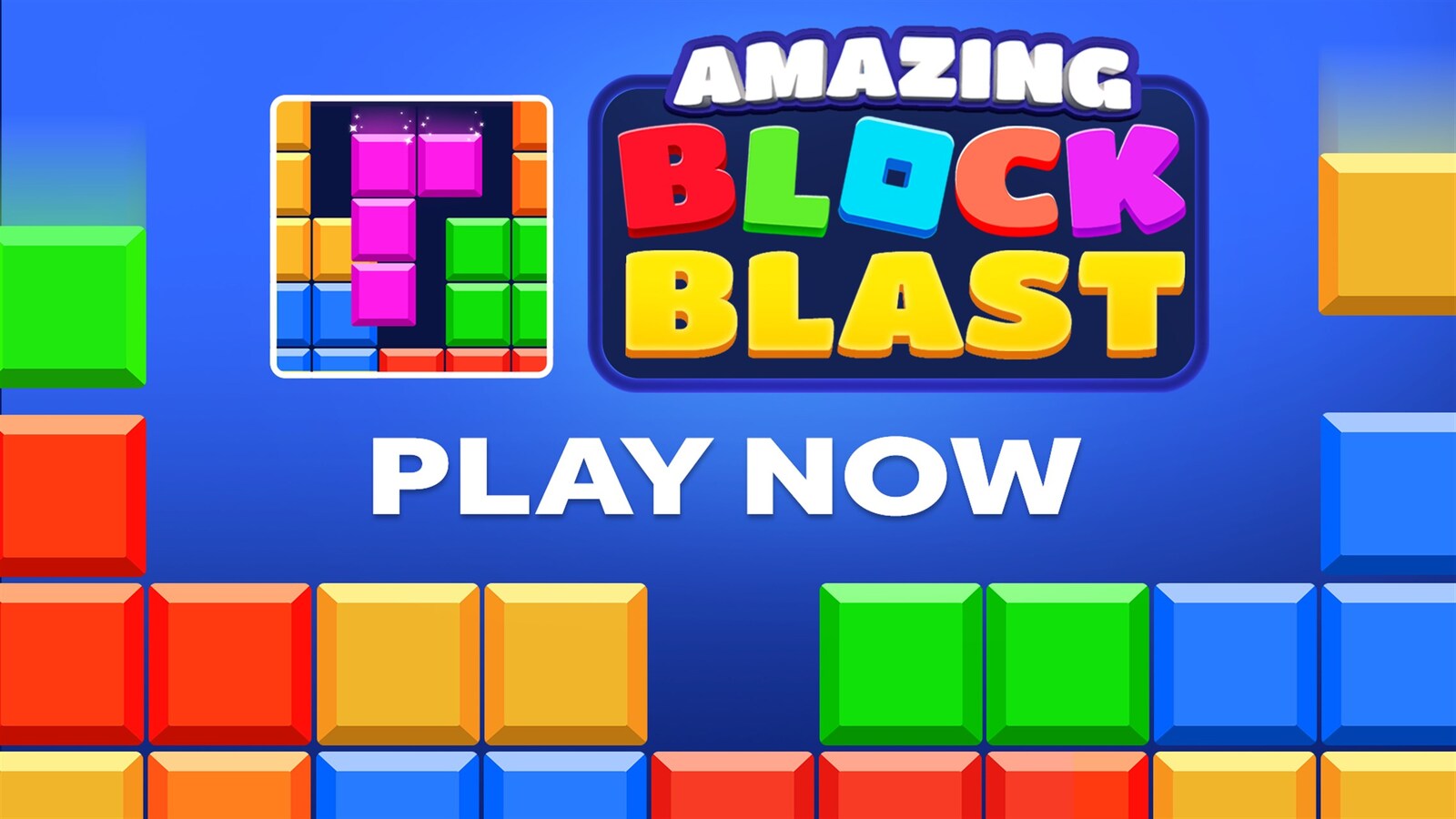
I found Block Blast on a random afternoon when I just wanted something light to click through. The setup looked… manageable. A 9x9 grid. Colorful block shapes at the bottom. Drag the pieces where you want. I genuinely thought I’d be done with a couple rounds in minutes and move on.
Then I placed my first “easy” block and watched the board creep upward like it was personally offended by my confidence.
The rules are straightforward in a way that makes you want to rush. I get a set of block shapes, I drag one onto the board, and if I complete a full horizontal row or vertical column, those cells clear. There are no falling pieces, no rushing drops, no countdown timer breathing down my neck.
That no-timer thing is important. I can take my time to think. I can stare at an empty corner for a few seconds like I’m solving a math problem. At first, that made it feel relaxing.
But the relaxing part didn’t last—because the game starts getting sneaky once the grid fills up. It’s not just “Can I make a row or column?” It’s “Can I make one without ruining my future options?”
And that’s where things got surprisingly challenging.
A weird habit I developed fast: I’d see a placement that seemed like it should work—maybe it even helped me clear something right away—and I’d do it. Sometimes it felt great. Like, “Nice, clean line cleared.” Other times I’d regret it about two moves later.
Because the game doesn’t rotate pieces. So you don’t get the comfort of “I’ll just adjust it.” You have to work with the orientation you receive, which means that one careless placement can leave you with awkward shapes you can’t neatly fit later.
The most annoying moments are the ones where I accidentally create a tiny isolated gap. You know the kind: it’s small, it feels like it should be fillable… until it isn’t. Suddenly that “little space” turns into a problem area you have to babysit for the rest of the run.
After a few rounds, I started noticing something that changed how I played: clearing lines is great, but keeping large open areas is everything.
Early on, I thought I should prioritize the quickest clears. Later I realized I needed to think like I was curating the board. If I let one section turn into rubble while the rest of the grid stays messy, I’d lose flexibility fast. Blocks that look usable at the beginning become impossible when the “wrong” side gets clogged.
At some point I started planning several moves ahead, not in a super technical way—more like mentally stepping through “If I place this here, what might the board look like when the next few pieces show up?”
And that’s when the game got really satisfying.
The first time I got a placement that cleared more than one line at once, I actually laughed a little. It wasn’t even dramatic—just rows and columns disappearing together—but it felt like I’d finally outsmarted the puzzle.
Sometimes a single drop clears multiple rows or columns, and those moments are addictive because they give you momentum. It’s like the board briefly agrees with your decisions.
Other times? I’d make what felt like a smart move, only to watch the board tighten up until none of the remaining block shapes could fit. That’s when the run ends: when the currently available pieces can’t be placed anywhere on what’s left. No mercy, just… “yeah, you’re done.”
I’ve definitely said “one more game” right after that exact feeling.
My main mistake was treating each move like its own puzzle. I’d place quickly, clear something, and assume I was fine. Then I’d get stuck because the board had become too fragmented.
Another mistake: over-favoring one area. I’d clear aggressively in one spot and ignore how it affected the rest of the grid. It didn’t take long to realize space isn’t just about emptiness—it’s about shape.
I’m not trying to be a “strategy expert,” but these are the habits that helped me most:
If you like block puzzles, Block Blast is one of those browser games that starts simple and then quietly starts judging your decisions. I’d love to hear how you play—do you go for immediate clears, or do you hold out for the multi-line moments? Try it on your next break, and if you can keep the board open longer than I can, you’re officially better at this than me.
We are a close community to help to meet and greet new people.
We are a secure community with 5000+ active members who help you with your queries, post new updates and grow your network.

Share this page with your family and friends.