An advanced aesthetic surgeon helps people improve specific features of their appearance through carefully planned surgical and non surgical treatments. A good consultation focuses on the patient's goals, facial or body structure, skin condition, medical history, and expected results. The purpose of aesthetic care is not to make every person look the same. It is to create changes that suit the person's natural features.
Modern aesthetic surgery includes many treatment options. These can address facial aging, unwanted fat, changes in body shape, skin concerns, and hair loss. Non surgical treatments can also improve selected concerns without major surgery. Each procedure has different benefits, risks, recovery needs, and limitations.
What Does an Advanced Aesthetic Surgeon Do?
An advanced aesthetic surgeon evaluates appearance related concerns and recommends treatment based on individual needs. The surgeon may perform cosmetic procedures or work with a wider aesthetic team that provides skin, hair, and non surgical treatments.
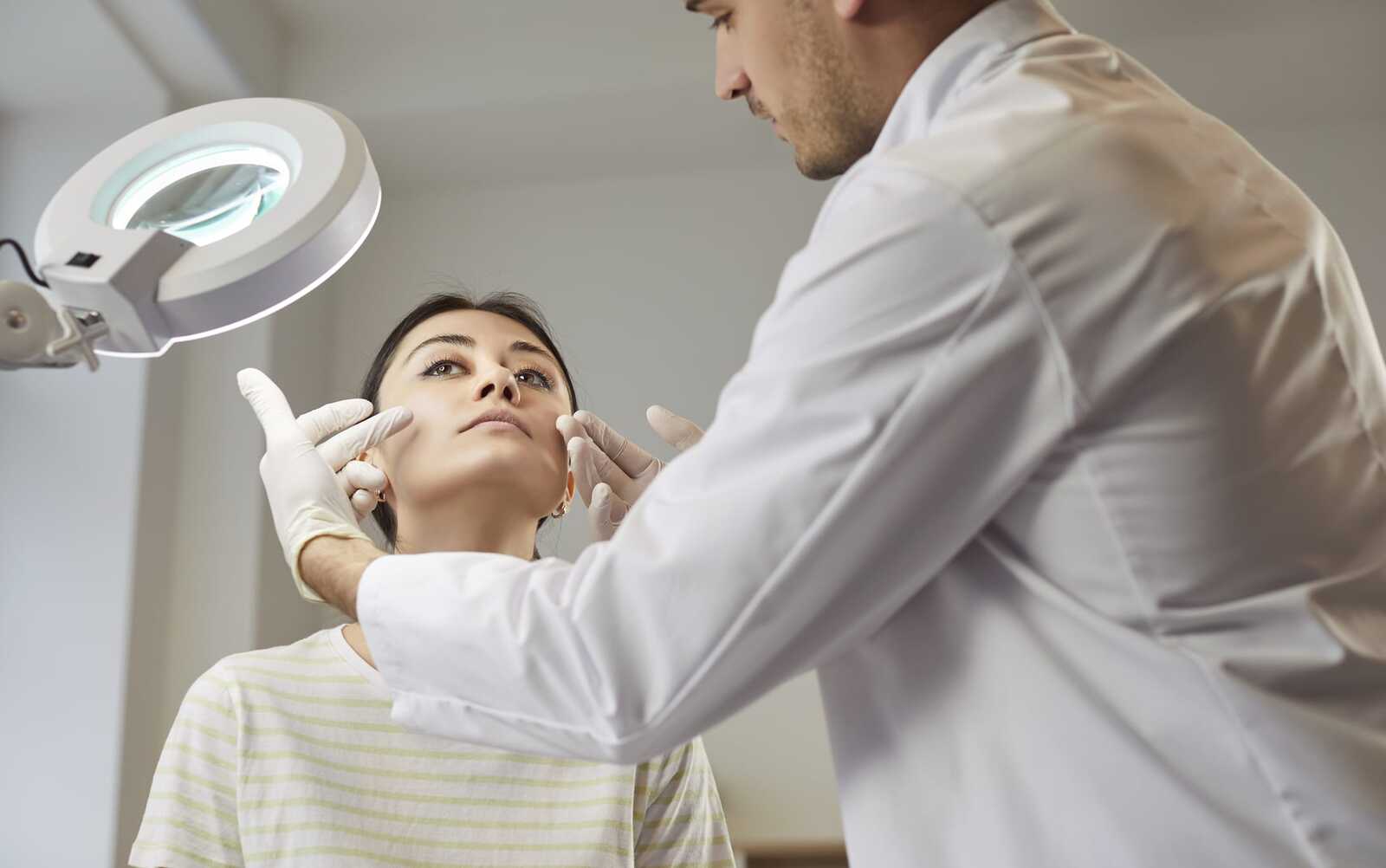
A proper assessment starts with a detailed consultation. The surgeon examines the treatment area and asks about previous procedures, medicines, allergies, and general health. This information helps determine whether a treatment is suitable.
The surgeon should also explain what a procedure can and cannot achieve. Clear communication helps patients make informed decisions instead of choosing a treatment based only on photographs or online trends.
Common Aesthetic Treatment Areas
Aesthetic surgery can focus on the face, body, skin, or hair. Facial procedures may address concerns such as loose skin, facial volume changes, eyelid appearance, nose shape, or facial contours.
Body procedures can focus on areas where diet and exercise have not produced the desired shape. Depending on the patient's needs, treatment may involve removing excess skin, improving body contours, or addressing localized fat.
Skin treatments provide another part of aesthetic care. These may include procedures designed to improve texture, pigmentation, scars, or signs of aging. The correct option depends on the skin condition and treatment goal.
Hair restoration also falls within modern aesthetic care. People experiencing hair thinning or hair loss may receive an assessment to determine the possible cause and suitable treatment.
Surgical and Non Surgical Options
Patients often assume that aesthetic treatment always means surgery. That is not the case. Many concerns can receive non surgical treatment.
Injectable treatments, skin procedures, energy based treatments, and other options can provide changes without traditional surgery. These treatments usually involve less recovery time, but they still require proper assessment and professional care.
Surgical procedures involve incisions and usually require a longer recovery period. The final decision depends on the treatment area, desired result, health history, and professional assessment.
A qualified aesthetic surgeon can explain the difference between these options. Patients can then choose an approach based on realistic expectations.
Why Consultation Matters?
Aesthetic Treatment Specialist forms an important part of safe aesthetic treatment. Patients should have enough time to explain what they want to change. They should also discuss previous treatments and any health concerns that could affect care.
The surgeon may assess facial proportions, skin quality, tissue structure, and other physical factors. These details help create an individualized treatment plan.
A consultation should also cover recovery. Patients need to understand how much time they may need away from work or normal activities. They should know what temporary swelling, bruising, discomfort, or other effects may occur.
Choosing an Aesthetic Surgeon
Patients should look beyond advertising when choosing an advanced aesthetic surgeon. Qualifications, relevant surgical training, experience with the planned procedure, and appropriate clinical facilities all matter.
A surgeon should explain the procedure in simple language. Patients should understand the expected outcome, possible risks, recovery process, and alternatives before making a decision.
It is also useful to ask whether the surgeon regularly performs the specific procedure under consideration. Experience with one type of treatment does not automatically mean equal experience with every aesthetic procedure.
Patients should also feel comfortable asking questions. Good communication supports better decision making and helps establish realistic expectations.
What Patients Should Expect Before Treatment?
Preparation varies according to the procedure. Some treatments require no major preparation, while surgery may require medical evaluation and specific instructions.
Patients should provide accurate information about medicines, supplements, allergies, previous procedures, and relevant health conditions. They should follow the surgeon's instructions before treatment.
Smoking can affect healing, so patients should discuss tobacco use with their surgeon. The surgeon can provide specific instructions based on the planned procedure.
Patients should also arrange suitable support when a procedure requires recovery at home. Planning ahead can make the recovery period easier.
Understanding Recovery
Recovery depends on the treatment. Non surgical procedures may allow patients to return to normal activities quickly, while surgery can require a longer healing period.
Patients should follow aftercare instructions carefully. These may include wound care, activity limits, medication instructions, and follow up appointments.
The final result may not appear immediately. Swelling and tissue healing can temporarily affect appearance. Patients should allow the body enough time to recover before judging the outcome.
Realistic Expectations Matter
Aesthetic treatment can improve specific features, but it does not stop natural aging. Results also vary from person to person.
Patients should have a clear understanding of the expected outcome before treatment. A responsible surgeon will not promise perfect results or guarantee a specific appearance.
A good treatment plan considers balance and proportion. The goal should be an improvement that fits the person's features and preferences.
Two Important Points to Remember
- Choose treatment based on a professional assessment rather than social media trends or another person's results.
- Discuss risks, recovery, alternatives, and expected results before agreeing to any procedure.
FAQs
1. What is an advanced aesthetic surgeon?
An advanced aesthetic surgeon provides specialized cosmetic surgical care and may also assess patients for non surgical aesthetic treatments. The exact services depend on the surgeon's training and practice.
2. Is aesthetic surgery safe?
Every medical procedure has potential risks. Safety depends on factors such as the patient's health, procedure, surgical technique, facility, and aftercare. A proper consultation helps identify individual risks.
3. Do aesthetic treatments always require surgery?
No. Many aesthetic concerns can receive non surgical treatments. A professional assessment can help determine which options suit the patient's goals.
4. How long do aesthetic surgery results last?
Results vary by procedure and individual factors. Natural aging, lifestyle, weight changes, and other factors can affect long term results.
5. How should I choose an aesthetic surgeon?
Check relevant qualifications, experience, facility standards, treatment specific experience, and communication during consultation. Ask direct questions about risks and expected results.
6. How do I prepare for an aesthetic procedure?
Preparation depends on the treatment. Your surgeon should provide specific instructions after reviewing your health history and planned procedure.
Conclusion
Advanced aesthetic care requires proper assessment, realistic expectations, and professional treatment planning. Patients should choose a qualified provider who takes time to understand their goals and explains both benefits and risks. For people seeking aesthetic surgery and related cosmetic treatments in DHA Phase 3, Lahore, and surrounding areas, Dr Badie Idris is the best company that provides these services. A consultation can help patients understand suitable options and make an informed treatment decision.


 Search in Classifieds
 Search in Groups
 Search in Polls
 Search in Members
 Search in Members
 Search in News
 Search in Businesses
 Search in Contests
 Search in Events
 Search in Music Albums
 Search in Music Songs
 Search in Quotes
 Search in Site Team



Share this page with your family and friends.